

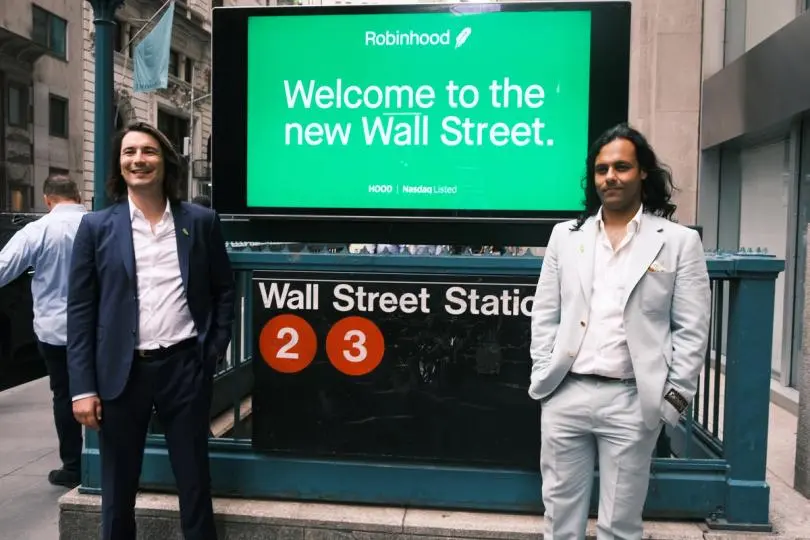
Robinhood, the well-known trading platform that democratized stock and crypto trading, has ventured into the blockchain space with the launch of Robinhood Chain—an Ethereum layer-2 network designed specifically to host tokenized stocks and other real-world assets (RWAs). The chain went live on July 1, 2026, and initially garnered significant attention as a regulated venue for on-chain equities. However, within a matter of weeks, the network's reality diverged sharply from its mission: memecoins, not tokenized stocks, have taken center stage.
According to on-chain data, Robinhood Chain has attracted roughly $312 million in total value locked (TVL) and processes about 3.6 million daily transactions as of mid-July 2026. This makes it one of the busiest new Ethereum layer-2 networks in recent years. Yet, a closer look reveals that the vast majority of this activity is driven by speculative memecoin trading and stablecoin transfers. Tokenized stocks—the very products the chain was built to host—represent a mere $12.8 million of the total value on the platform. The flagship token, CASHCAT, a memecoin themed around feline cash, alone accounts for a significant portion of daily volume. Other memecoins and simple stablecoin pairs dominate the remaining value.
The contrast between Robinhood's vision and the actual usage of its chain could not be starker. When Robinhood announced the development of its own blockchain in early 2026, executives emphasized the need for a compliant, scalable way to bring traditional equities and assets onto a public ledger. The promise was that users could trade shares of Tesla, Apple, or S&P 500 ETFs on-chain with low fees and high throughput, settling instantly in a decentralized environment. The network was also intended to serve as a testbed for further tokenization of real-world assets, such as bonds, commodities, and even real estate. Instead, the network has become a hotbed of memecoin mania, with new tokens launching every day, often with speculative valuations driven by social media hype.
This phenomenon is not entirely surprising. Ethereum layer-2 networks, such as Arbitrum, Optimism, and Base, have all witnessed periods where memecoin activity spiked, driven by traders seeking high returns and low transaction costs. Robinhood Chain, with its low fees (often fractions of a cent) and fast block times, provided an ideal playground for these speculative assets. The network's integration with Robinhood's core platform also allowed easy onboarding of millions of users who were already familiar with the brand. According to data from Dune Analytics, the number of unique addresses on Robinhood Chain surpassed 800,000 within two weeks of launch, with daily active users peaking at around 250,000.
Robinhood's management has acknowledged the situation but remains optimistic about the chain's long-term utility. In a recent interview, co-founder Baiju Bhatt noted that while memecoins have dominated early adoption, the infrastructure built for tokenized stocks is fully functional and awaiting regulatory approval to go mainstream. “We built a high-performance engine, and early adopters are using it for whatever they want,” Bhatt said. “Once the regulatory environment clarifies and traditional issuers begin creating tokenized securities, the chain will serve its intended purpose.”
The regulatory backdrop is indeed evolving. In the United States, the SEC under new leadership has been more accommodating to tokenized securities, with several pilot programs underway. Globally, jurisdictions like Singapore, Switzerland, and the UAE have already launched frameworks for digital securities and RWAs. Major financial institutions, including BlackRock and Fidelity, have been experimenting with tokenized money market funds and private credit pools. On Robinhood Chain, only a handful of tokenized products are live, such as a small allocation of TSLA and AAPL tokens issued by regulated partners. These have attracted minimal trading volume compared to memecoins, partly due to limited marketing and lack of liquidity.
Another challenge is the inherent competition from existing infrastructure. Ethereum-based tokenization projects such as Ondo Finance, by using existing DeFi protocols on Ethereum mainnet, already provide access to tokenized treasury bills and bonds. Robinhood Chain's advantage lies in its dedicated layer-2 environment, which isolates tokenized assets from the noise and congestion of Ethereum mainnet while still benefiting from its security. However, that advantage is moot if the chain is overrun by memecoin speculation that may alienate institutional investors interested in a regulated venue.
The memecoin explosion on Robinhood Chain also carries risks for users. Many of these tokens have extremely low liquidity, making them susceptible to pump-and-dump schemes and rug pulls. The chain has already seen several cases where new token contracts were abandoned after small-scale liquidity grabs. Robinhood has implemented basic safeguards, such as requiring contracts to be verified and flagging known scams, but the self-custodial nature of blockchain means that users must remain vigilant. The company has also rolled out educational materials about caution in memecoin trading.
From a technical perspective, Robinhood Chain is built using the OP Stack, Optimism's framework for creating rollups. This means it inherits Ethereum's security and can be bridged with other OP Stack chains. The network uses ETH as its native gas token, which simplifies user experience for those already holding Ethereum. Gas fees have remained consistently below $0.01 per transaction, which is significantly cheaper than Ethereum mainnet or even many L2s during peak congestion. This low-cost environment has attracted not only retail speculators but also developers building DEXs, NFT marketplaces, and gaming applications. The chain's total value locked in DEX protocols has grown to over $250 million, largely driven by memecoin trading pairs.
The question that now haunts Robinhood is whether this memecoin frenzy will eventually transition into mainstream adoption of tokenized assets. Historical precedents are mixed. Base, the Coinbase-developed L2, also saw a wave of memecoin activity in its early days, but gradually attracted more serious DeFi projects and payment applications. However, Base never explicitly positioned itself as a platform for tokenized stocks; its mission was broadly to build an on-chain economy. In contrast, Robinhood Chain's branding is tied to equities and RWAs, making the current divergence more glaring.
Robinhood itself has a massive user base of over 20 million funded accounts. If even a fraction of these users can be converted to on-chain trading of tokenized stocks, the chain could fulfill its promise. The company has hinted at plans to integrate its stock trading API with the chain, allowing users to seamlessly transfer their Robinhood portfolio into self-custody wallets. This would create a direct bridge between traditional finance and DeFi, something no other platform has achieved at scale. But such integration requires regulatory clarity on aspects like custody, settlement, and investor protection. The SEC's recent guidance on crypto asset securities could pave the way, but final rulemaking is still pending.
Meanwhile, the memecoin traders are not going anywhere. Many have become loyal users of the chain, appreciating its speed and affordability. Some have even utilized memecoin profits to purchase tokenized stocks, creating a small symbiotic loop. Data shows that about 5% of wallets that traded memecoins on Robinhood Chain eventually also interacted with tokenized stock contracts. This conversion rate is small but non-negligible. If the chain can continue to attract new users through speculative activity while steadily building its RWA infrastructure, the long-term outlook could be positive.
In summary, Robinhood Chain finds itself at a crossroads: a technological success story marred by an identity crisis. The network has proven it can handle high throughput and attract users, but those users are mostly chasing memecoins rather than the tokenized equities that gave the chain its raison d'être. The path forward involves regulatory maturation, product development, and targeted marketing to shift the demographic from speculators to investors. Only time will tell whether Robinhood can steer its blockchain back to its original mission or whether it will remain another memecoin casino in a sea of layer-2 options.
Source: Coindesk News