












How do golf balls affect performance in tournaments?
Discover how golf balls impact distance, control, spin, and confidence during tournament play. Every shot starts with the right ball.
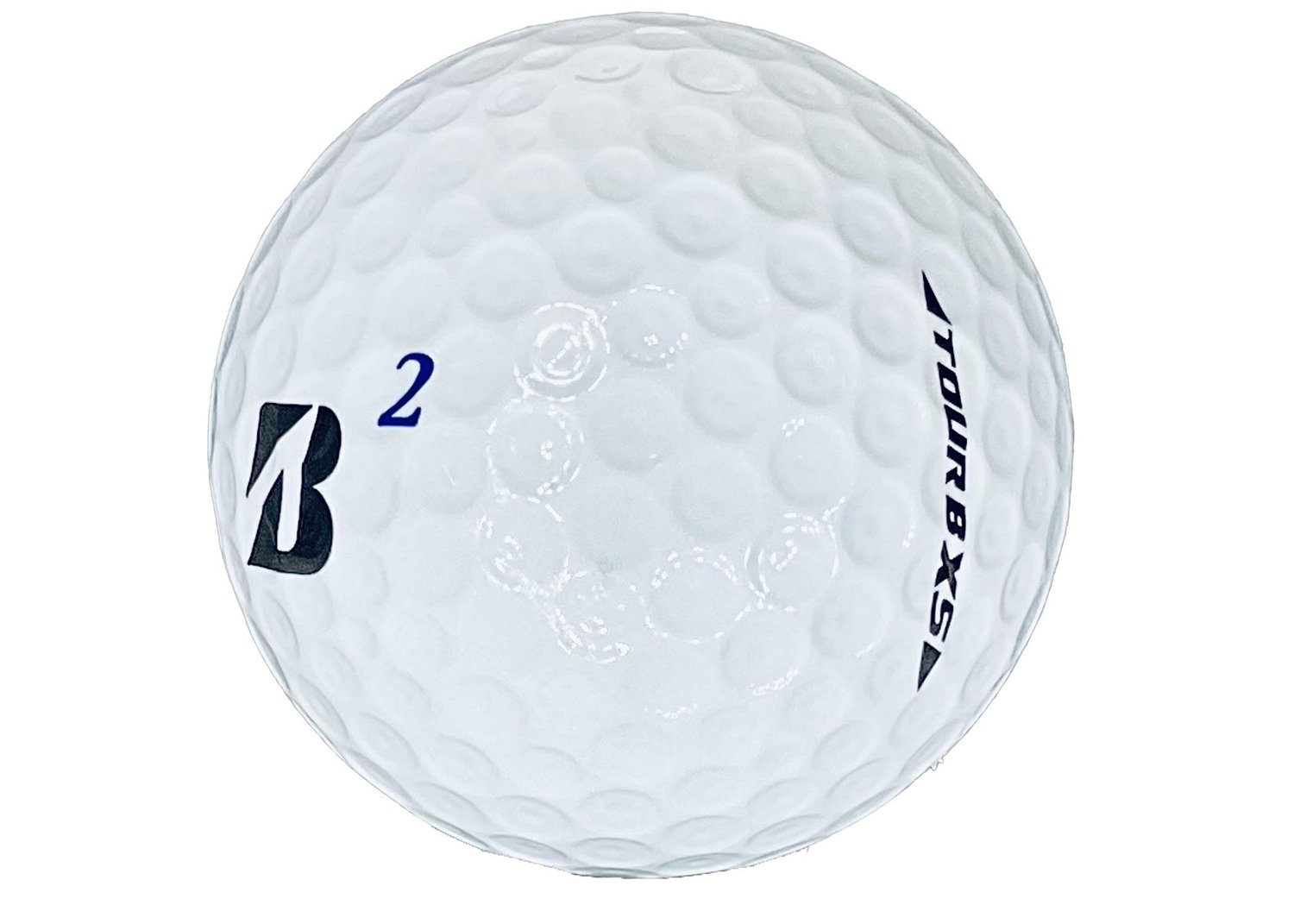
When it comes to tournament golf, every little detail can make a big difference. While players spend countless hours working on their swing, one overlooked factor is the type of golf ball they use. In the middle of that equation, Bridgestone XS golf balls often stand out for their consistency and feel, especially when precision matters most. Golfers dont just play with any ballthey rely on the right one to match their swing speed, playing style, and course conditions.
The Role of Ball Construction in Competitive Play
Golf balls are not just round and whitetheyre built with multiple layers that each serve a specific purpose. The core affects speed and distance, while the outer layers influence control and spin. In tournament play, this balance becomes critical. A ball that flies far but spins uncontrollably can ruin a tee shot. On the flip side, too much control can sacrifice distance. Competitive players need a ball that balances these traits without forcing compromises.
Compression Matters More Than You Think
Compression refers to how tightly wound the inner core of the ball is. In simple terms, its how much the ball deforms when struck. Lower compression balls tend to work better for players with slower swing speeds because they compress easily and travel farther. High-compression balls are preferred by players with faster swings who can fully activate the ball's potential. In a tournament setting, matching compression to a players swing is vital for consistency under pressure.
Spin Control and Greenside Play
In tournaments, spin isnt just about shaping shots. Its about how the ball reacts on the green. Players need to stop the ball quickly on approach shots, especially on firm greens. The cover of the ball, often made from urethane, plays a big part here. It creates more friction and allows for better control with wedges and short irons. Golfers who rely on that control tend to stick with premium balls that help them place shots accurately.
Distance Is Not Always King
While distance off the tee looks impressive, tournament play isnt won on the driving range. A ball thats long but hard to control can cost more shots than it saves. Consistent distance matters more than raw power. Golfers often prefer a ball that delivers predictable results, even if that means giving up a few extra yards. In tournaments, playing smart often beats playing big.
Wind Performance and Flight Stability
Wind can wreak havoc on a golfers strategy. During tournaments, its common for weather to shift from one round to the nextor even within the same nine holes. A good golf ball should cut through wind without ballooning or veering off course. Dimple patterns on the balls surface help stabilize flight. Some designs are better at keeping a steady trajectory, which can be the difference between a birdie and a bogey in windy conditions.
Feel and Feedback Build Confidence
Feel is about how the ball responds on contactwhether off the driver, irons, or putter. Tournament players often favor a softer feel because it helps them judge distances better on chips and putts. A firm ball might offer more distance but can feel less controlled around the green. That sensory feedback helps golfers make adjustments quickly, which is crucial when every stroke counts.
Putting Performance Under Pressure
The balls role doesnt end once it hits the green. Putters react differently depending on how soft or firm the ball is. A softer ball tends to roll more smoothly, making it easier to control speed and direction. In high-stress tournament situations, even a small difference in roll can decide a hole. Consistent putting often comes down to muscle memory and the feel of the ball, especially when nerves are high.
Shot Shaping and Workability
Experienced golfers dont just hit straight shotsthey shape them on command. A responsive ball that offers workability allows players to fade or draw as needed. This matters most on courses with tight fairways or doglegs. Some balls are better suited for shaping shots due to their spin profiles. Tournament players stick to models that give them shot variety without losing control.
Durability and Multi-Round Performance
Tournaments can span several days. The ball must stay reliable through multiple rounds without scuffing or losing its shape. A ball that degrades after a few holes affects distance, spin, and feel. High-quality materials hold up better, even when hit repeatedly with wedges or into bunkers. Durability might not be flashy, but it matters when a ball is expected to perform under pressure again and again.
Mental Edge from Familiarity
Finally, theres the mental side. Tournament players stick to what they trust. Confidence in the balls behavior allows them to commit to shots without second-guessing. Doubt leads to hesitation, which is deadly in competition. The right ball becomes part of the routine, part of the mindset. It's more than a toolit's a trusted companion during crucial moments.
Final Thought
In tournament golf, performance is a mix of skill, strategy, and equipment. The golf ball plays a central role in that mix. From compression and spin to durability and feel, every feature contributes to how a golfer competes. While clubs can be adjusted or replaced during a round, the ball stays constant. Thats why picking the right onelike the trusted Bridgestone XS golf ballscan shape outcomes more than people realize. A smart golfer doesnt just play wellthey play with the ball that brings out their best under pressure.