

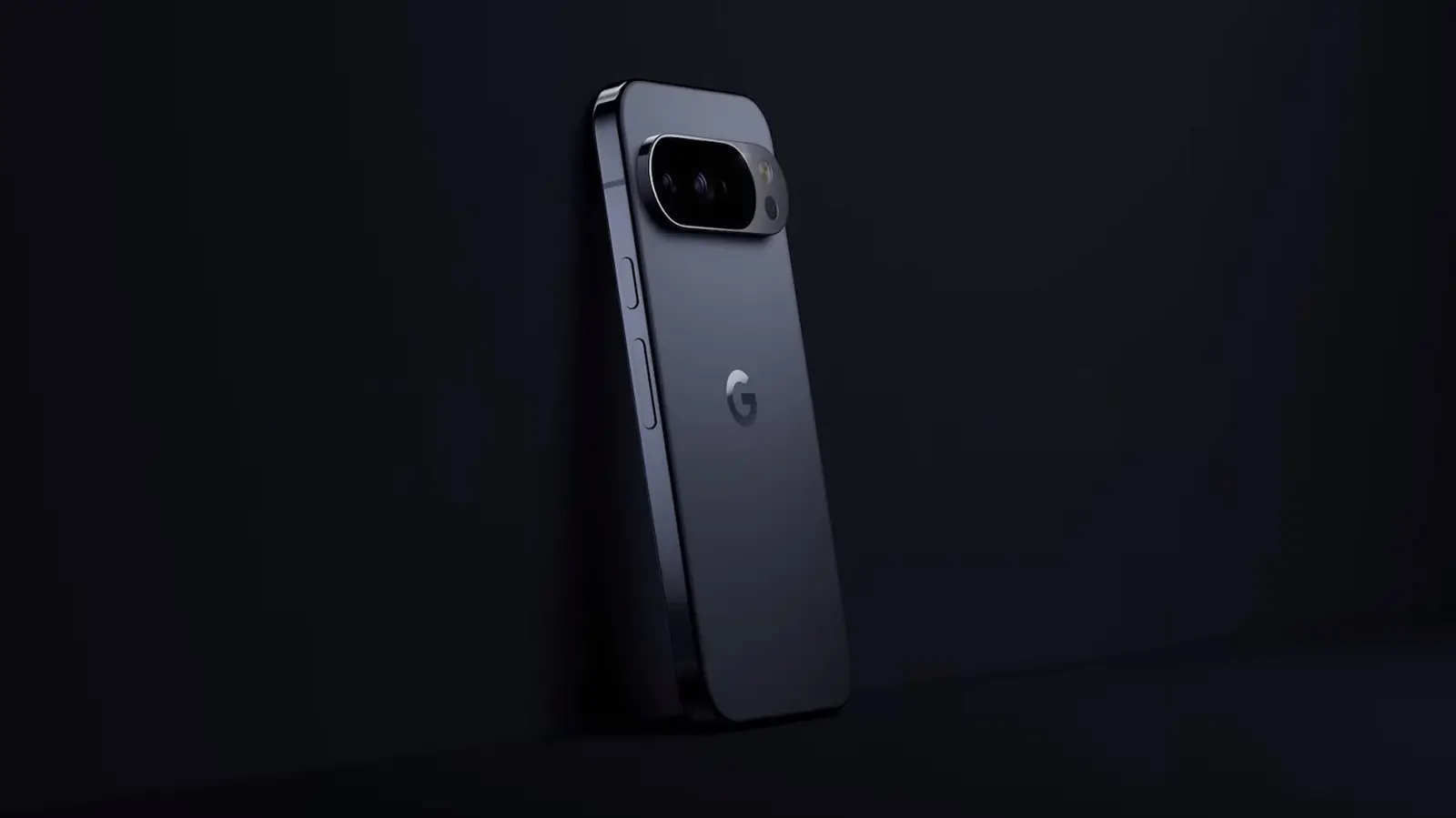
After months of beta testing that began in February, Google officially released the stable version of Android 17 on June 16. As has been the company’s tradition, Google Pixel phones received the new software first. If you own a supported Pixel device and haven’t updated yet, you can do so through the Settings app or via an update notification. Any Pixel phone from the Pixel 6 and onward is supported. Owners of the Pixel 5 or older models, unfortunately, will not be able to upgrade to Android 17.
The full list of supported Pixel devices includes: Pixel 6, Pixel 6 Pro, Pixel 6a, Pixel 7, Pixel 7 Pro, Pixel 7a, Pixel Tablet, Pixel Fold, Pixel 8, Pixel 8 Pro, Pixel 8a, Pixel 9, Pixel 9 Pro, Pixel 9 Pro XL, Pixel 9 Pro Fold, Pixel 9a, Pixel 10, Pixel 10 Pro, Pixel 10 Pro XL, Pixel 10 Pro Fold, and Pixel 10a. Google has already started rolling out the July 2026 security update and additional fixes for supported Pixel phones running Android 17. The tech giant noted that it may take up to a week for all updates to be fully rolled out. Carriers can also influence that timeline, so a little patience will go a long way. This update is mostly about bug fixes and user interface improvements, but Android 17 itself introduces several major new features.
What’s new with Android 17?
Android 17 brings several impressive new features that enhance multitasking, gaming, privacy, and security. The most notable addition is the Bubbles feature, which allows you to turn any app into a small, floating window that stays on top of other applications. For multitaskers, this is practically tailor-made. You can keep a chat app, a notes app, or any other application in a bubble while working on another task, making it easy to quickly switch contexts without losing focus.
Screen recording has also received a significant update. With a few taps, you can now record your screen while simultaneously filming yourself using the selfie camera. This is ideal for creating tutorial videos, live-streaming gameplay, or recording reactions. The feature is seamlessly integrated into the quick settings panel, allowing you to start a recording with both screen capture and front-facing camera feed in a small overlay.
Mobile gamers get a special treat, provided they own a foldable device such as the Pixel Fold, Pixel 9 Pro Fold, or Pixel 10 Pro Fold. With Android 17 on foldable phones, the screen is split 50/50: the game appears on the top half, and a responsive gamepad sits below. This gives players more room to see the game action while keeping controls comfortably accessible. Google noted that this feature is coming in the next few months, so it may not be available immediately upon updating.
Android 17 also improves security and safety features. Users can now grant temporary access to their precise location to an app, and share only specific contacts instead of the entire address book. Live Threat Detection has been enhanced to catch more malicious apps and scams, while Advanced Protection mode is fine-tuned for better results. Additionally, Google has limited the number of PIN attempts and increased the waiting time after failed tries, making brute-force attacks more difficult.
It is important to note that these features are not exclusive to Google Pixel phones. Other Android 17-compatible devices, including Samsung phones, will receive them in the near future. However, Pixel users get early access and some exclusive Pixel-specific optimizations. The Android 17 update is part of Google’s ongoing commitment to providing a cleaner, more secure, and more user-friendly operating system.
Background on Android version history and Pixel support
Google’s Android operating system has evolved significantly since its early days. With each major release, the company focuses on performance, privacy, and new user experiences. Android 17 continues this trend by building upon the foundation laid by Android 16, which introduced features like granular clipboard access and improved notification management. The beta program for Android 17 allowed developers and enthusiasts to test early builds, provide feedback, and help shape the final release.
Pixel phones have always been the first to receive new Android versions, a practice that began with the original Pixel in 2016. This early access is a key selling point for Pixel devices, as users get to experience the latest features and security patches months before other Android manufacturers. The Pixel 6 series marked a turning point with the introduction of the Tensor chip, Google’s custom system-on-a-chip, which enabled advanced AI and machine learning capabilities. Tensor chips have since become a staple in subsequent Pixel generations, powering features like real-time translation, enhanced photography, and adaptive battery management.
The list of supported devices for Android 17 includes models from the Pixel 6 all the way to the newly released Pixel 10a. This spans nearly four generations of Pixel hardware, reflecting Google’s commitment to long-term software support. For comparison, the Pixel 6 and Pixel 6 Pro originally shipped with Android 12, and they have now received five major OS updates, which is among the best in the Android ecosystem. The Pixel Tablet and Pixel Fold also made the cut, indicating that Google is optimizing Android for different form factors beyond traditional smartphones.
Device-by-device breakdown and update timeline
The complete list of supported Pixel phones for Android 17 is extensive. Starting with the Pixel 6 series: Pixel 6, Pixel 6 Pro, and Pixel 6a. These devices were released in 2021 and 2022 and have been well-supported with regular updates. Next, the Pixel 7 family: Pixel 7, Pixel 7 Pro, and Pixel 7a, launched in 2022 and 2023. The Pixel 8 series includes the Pixel 8, Pixel 8 Pro, and Pixel 8a, released in 2023 and 2024. The Pixel 9 lineup covers the Pixel 9, Pixel 9 Pro, Pixel 9 Pro XL, Pixel 9 Pro Fold, and Pixel 9a, which debuted in 2024 and 2025. Finally, the Pixel 10 series: Pixel 10, Pixel 10 Pro, Pixel 10 Pro XL, Pixel 10 Pro Fold, and Pixel 10a, the latest models released in 2025 and 2026.
Also included are the Pixel Tablet (released 2023) and the original Pixel Fold (2023). These devices demonstrate Google’s commitment to updating its tablet and foldable products in line with its smartphone releases. The update is being rolled out in stages. Google typically pushes the update to a small percentage of users first, then expands to more devices over the following week. Carriers may add additional delays, especially for locked devices that require carrier approval. Users who want to speed up the process can check for updates manually in Settings >> System >> System update.
Detailed look at new features
The Bubbles feature, while similar to Facebook Messenger’s chat heads, is now a system-wide capability. Any app that supports notifications can be turned into a floating bubble. Users can pin their most-used apps to the side of the screen and quickly access them without opening the full app. This is especially useful for messaging apps, note-taking tools, and media players. Bubbles can be moved around, dismissed, or expanded into full windows.
Screen recording with selfie camera overlay is a welcome addition for content creators. Previously, users had to rely on third-party apps to achieve this effect. Now, it’s built into the operating system, ensuring better performance and privacy. The recorded video can be saved directly to the gallery or shared instantly.
For foldable devices, the split-screen gamepad feature is a game-changer. Many mobile games require precise touch controls, which can be cramped on a traditional smartphone screen. With a foldable, the larger inner display allows for a dedicated gamepad area that doesn’t overlap with the game graphics. Google has partnered with several game developers to ensure compatibility at launch, and more titles are expected to support the feature over time.
Security improvements in Android 17 are comprehensive. Temporary location permissions allow users to grant a navigation app access to their precise location only while the app is in use. Similarly, contact sharing can be limited to a specific person instead of the entire list. Live Threat Detection uses on-device machine learning to identify suspicious behavior in real-time, blocking harmful apps before they can do damage. Advanced Protection mode has been refined to lock down account settings and prevent unauthorized changes. The PIN attempt limit and increased lockout times add an extra layer of defense against physical attacks.
Carrier considerations and rollout timeline
As with any major OS update, carriers play a role in the distribution. While unlocked Pixel phones receive updates directly from Google, carrier-locked devices must pass through carrier testing and approval. This can add days or even weeks to the rollout. Google has noted that the July 2026 security update is bundled with Android 17 for supported devices, so users who update will get both the new OS and the latest security patches simultaneously. The company advises users to be patient, as the update may take up to a week to reach all eligible devices.
To check if the update is available for your Pixel, go to Settings >> System >> System update >> Check for update. If it’s available, follow the on-screen instructions to download and install. It is recommended to back up important data before performing a major OS upgrade, and to ensure the device has at least 50% battery or is connected to a power source.
Source: SlashGear News