

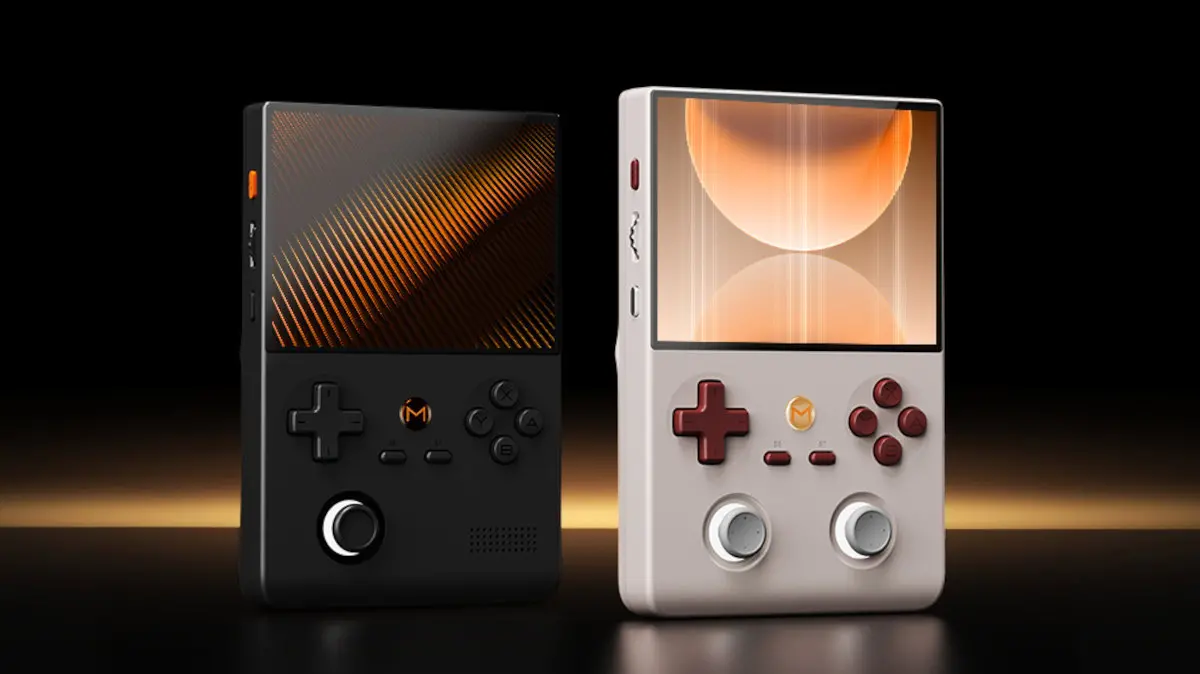
The retro handheld gaming market continues to heat up, and upstart brand MANGMI is making waves with its upcoming Air Y series. After weeks of teasing and speculation, the company has finally revealed the chipsets powering these Game Boy-style Android handhelds. The standard Air Y will be equipped with the Snapdragon 662 processor, while the Air Y Pro will step things up with the Snapdragon 865. This announcement, made via social media, gives enthusiasts a clear idea of what these devices can deliver in terms of emulation performance and overall value.
A Tale of Two Chipsets
The Snapdragon 662 is not a new processor by any stretch of the imagination. First announced in early 2020, it was designed as a budget-friendly option for entry-level smartphones. Its CPU configuration features four Cortex-A73 cores and four Cortex-A53 cores, a layout that is essentially identical to the Snapdragon 660 from 2017. While this may sound dated, the 662 brings with it an Adreno 610 GPU and support for faster storage and better camera features than its predecessor. For handheld gaming, the 662 has already proven its mettle in MANGMI's own Air X device. According to the company, that sub-$100 handheld could comfortably handle emulation up to and including the PlayStation Portable (PSP). Games like God of War: Chains of Olympus and Grand Theft Auto: Vice City Stories ran at playable frame rates, making the Air Y a promising candidate for a similar price point.
On the other end of the spectrum, the Air Y Pro features the Snapdragon 865, a flagship processor from 2020 that powered many of that year's top Android phones. Its Kryo 585 CPU (based on Cortex-A77 and A55 cores) and Adreno 650 GPU offer significantly more horsepower. This chip is capable of handling more demanding emulation tasks, including PlayStation 2, GameCube, and even some Wii games. However, users should temper their expectations when it comes to Nintendo Switch emulation. While the Snapdragon 865 can run some lighter Switch titles, heavy hitters like The Legend of Zelda: Breath of the Wild or Super Mario Odyssey are unlikely to achieve smooth performance without extensive tinkering.
Design and Features Come Into Focus
MANGMI has also shared fresh glimpses of the Air Y Pro's design. The handheld sports a classic Game Boy Advance SP form factor with a clamshell shape, complete with a volume knob on the left side flanked by two buttons. The top edge houses an off-center USB-C port, a 3.5mm headphone jack, and a covered bay that almost certainly conceals a microSD card slot for expandable storage. The company previously confirmed that both models will feature a 4.2-inch IPS display with a 4:3 aspect ratio—a nod to the screen proportions of classic consoles like the Super Nintendo and Sega Genesis. This makes them ideal for retro gaming, as modern widescreen phones often leave black bars or stretch the image.
The choice of a 4.2-inch panel is interesting because it balances portability with usability. Smaller than a smartphone but larger than the original Game Boy's screen, it should provide a sharp image for pixel-art titles while remaining pocket-friendly. MANGMI has not yet disclosed the resolution, but given the price history of the Air X, a 480p or 720p panel is likely. The company's social media images also hint at a sleek metallic finish and a comfortable button layout, with face buttons and a D-pad positioned for extended play sessions.
Emulation Potential and Market Position
With the chipset information now public, the emulation capabilities of the Air Y series are fairly well mapped out. The standard Air Y, powered by the Snapdragon 662, should excel at emulating consoles up to the PlayStation Portable. This includes the PlayStation 1, Nintendo DS (via DraStic), Sega Dreamcast (via Flycast), and even some N64 titles. It can also run Android games without issue, making it a versatile media device. The Air Y Pro, with its Snapdragon 865, opens the door to PlayStation 2, GameCube, Wii, and even some PC ports using emulators like AetherSX2 and Dolphin. Users can expect smooth gameplay in titles like Persona 4, Super Smash Bros. Melee, and Animal Crossing at native or upscaled resolutions. However, as with any emulation, performance will vary based on the game, settings, and thermal management.
MANGMI's strategy appears to target the sweet spot between budget and premium retro handhelds. The Air X already proved that a sub-$100 device with a Snapdragon 662 can be a hit, and the Air Y aims to replicate that success with a more polished design. But the company faces increasing competition from other brands like Anbernic, Retroid, and Powkiddy, which offer devices with similar chipsets at competitive prices. The Air Y Pro's Snapdragon 865 will give it an edge over mid-range competitors using Snapdragon 845 or Unisoc T618 processors, but the price will be crucial. MANGMI has not yet announced pricing, but industry observers expect the Air Y to land around $80-$100, while the Air Y Pro could fall in the $150-$200 range.
Broader Context: The Rise of Android Handhelds
The resurgence of dedicated retro gaming handhelds is a fascinating trend. Smartphones have long been capable of emulation, but they lack physical controls and a dedicated gaming form factor. Companies like MANGMI are capitalizing on this by offering devices that combine the flexibility of Android with the tactile feel of classic handhelds. The use of Qualcomm Snapdragon chips is a smart move, as they benefit from strong community support and custom GPU drivers, which can improve emulation performance. Additionally, the open nature of Android allows users to install emulators, launchers, and even streaming apps like Steam Link, expanding the devices beyond pure retro gaming.
MANGMI's focus on the Game Boy clamshell design is also notable. The form factor is iconic and nostalgic, appealing to gamers who grew up with Nintendo's portable consoles. A clamshell also offers screen protection when closed, a major advantage for on-the-go use. The inclusion of a USB-C port and a headphone jack shows that the company is paying attention to modern standards, while the physical volume knob is a rare but welcome touch that harkens back to dedicated media players.
Looking ahead, the RAM crisis that MANGMI mentions could affect pricing. Memory shortages have driven up costs for many electronic components, and if the Air Y Pro requires 6GB or 8GB of RAM to fully utilize the Snapdragon 865's potential, the final price might climb higher than anticipated. However, if the company can maintain the value proposition of the Air X—delivering capable emulation at a low price—the Air Y series could become a staple recommendation for retro gaming enthusiasts.
In summary, MANGMI has provided the key ingredient for its Air Y handhelds: processor details. The Snapdragon 662 in the base model and the Snapdragon 865 in the Pro variant clearly differentiate the two devices. The Air Y is aimed at budget-conscious gamers who want reliable PSP and below emulation, while the Air Y Pro targets those who crave more powerful PS2 and GameCube performance. With a 4.2-inch 4:3 display, a nostalgic clamshell design, and thoughtful features like a volume knob, these handhelds have the potential to stand out in a crowded market. All that remains is for MANGMI to announce the final price and release date, which will determine whether the Air Y series lives up to its promise.
Source: Android Authority News