

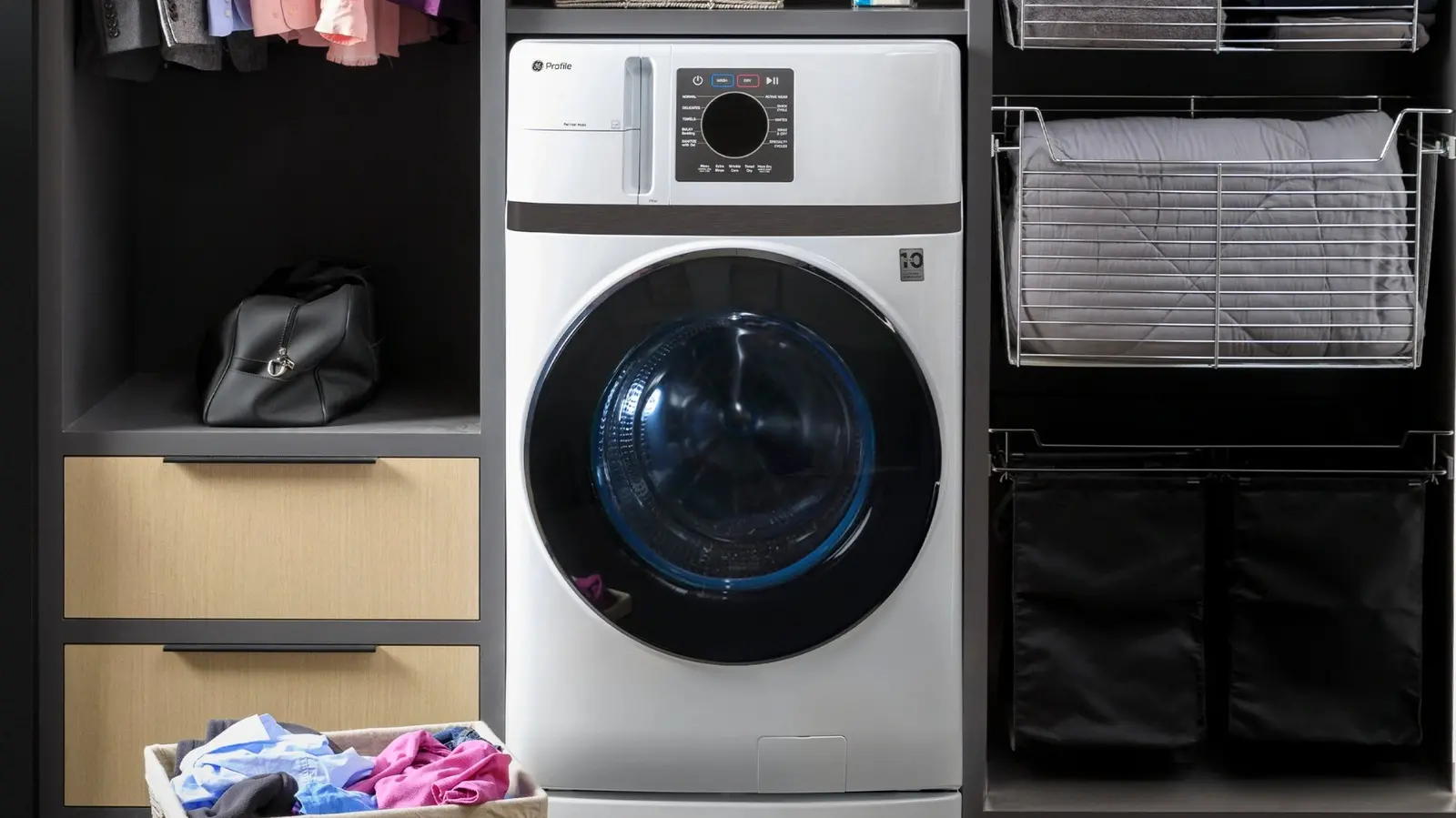
When shoppers begin searching for a new washing machine or dryer, the number of choices can feel overwhelming. There are top-loaders, front-loaders, high-efficiency models, vented dryers, ventless dryers, heat pump dryers, and machines that try to do everything in one drum. Among the most tempting options is the washer-dryer combo, a single appliance that washes a load and then switches into drying mode without requiring the user to move wet clothes into a separate machine. For renters, apartment dwellers, and anyone with limited floor space, that all-in-one design can look like the perfect solution. However, the convenience comes with trade-offs that buyers should understand before spending hundreds or thousands of dollars. A combination unit may save space, but it can also demand more patience, more money, and more repair-related headaches than a traditional pair.
Why Some Buyers Consider a Combo
Before focusing on the downsides, it is fair to acknowledge why these machines have become popular. A washer-dryer combo can fit into a closet, a bathroom, or a small kitchen where two separate appliances would never work. Many models are ventless, meaning they do not need a duct running through a wall or ceiling. That makes them especially attractive in apartments, condos, historic homes, and rentals where structural changes are not allowed. They also simplify the laundry routine because the user can set a cycle and walk away, returning later to dry clothes rather than moving a wet load from one machine to another.
- Space savings: A single unit occupies far less floor area than a side-by-side or stacked washer and dryer.
- Ventless operation: Condenser and heat pump models can operate without an external exhaust vent.
- One-cycle convenience: Washing and drying happen in the same drum, so there is no transfer step.
- Renter-friendly design: Compact combos can be easier to install in temporary living situations.
Those advantages are real, especially in compact homes. But they do not erase the following four disadvantages, each of which can affect daily use, long-term costs, and overall satisfaction.
Drying Will Likely Take Longer Than Usual
Washer-dryer combos are often promoted for energy efficiency, and many models do use similar amounts of electricity as standard laundry appliances. However, efficient energy use does not always mean fast drying. Most combo units rely on condenser drying or heat pump drying rather than a traditional vented system. Instead of pushing moist air outside through a duct, a condenser model heats the air inside the drum, pulls moisture from the clothes, condenses that moisture into water, and then sends the water to a drawer or drain hose. This process is effective, but it is slow.
The main reason is that the machine must manage both washing and drying in the same drum. Airflow is more restricted, the load may not tumble as freely as it would in a full-size dryer, and the drying system has to work gradually to remove water without overheating fabrics. Depending on the size and weight of the load, drying can take multiple hours. Some compact models can take as long as six hours to dry a single load. Even larger, more expensive combos may require two to four hours for a normal cycle. For a household accustomed to a vented dryer finishing a load in 45 to 60 minutes, that difference is significant.
There is also the capacity mismatch to consider. Many combo units can wash a larger load than they can dry effectively. A drum that handles a full load of wet laundry may only be able to dry part of that load at a time. If the user fills the washer completely, they may need to remove some clothes before drying or run extra drying cycles. Each extra cycle adds time, energy use, and wear on the machine. Sensor systems can help prevent overdrying, but they cannot change the fundamental limits of ventless drying in a single drum.
Combo Units Tend to Cost More
At first glance, a washer-dryer combo might seem like a money-saving purchase. It is one appliance instead of two, so it should cost less than buying a separate washer and dryer, right? Not always. In many cases, a combo unit actually carries a higher upfront price than a comparable pair of separate machines. The extra cost comes from the complex engineering required to combine washing and drying in one chassis, including sealed drums, condensation systems, heat pumps, sensors, and specialized control boards. Compact size and ventless operation can also add to the price.
Consider a common example. A popular 2.7-cubic-foot front-loading combo may sell for around $899. A similar-capacity compact washing machine might cost about $448, while a compact dryer could cost about $240. Together, those separate units total roughly $688, which is more than $200 less than the combo. Another example involves a well-known appliance brand whose combo unit sells for about $1,085, while its comparable compact washer and dryer sell for about $460 and $290, respectively. That pair totals about $750, saving the buyer more than $300 compared with the all-in-one model.
These examples are not universal, and prices change with sales, promotions, and regional availability. Installation costs can also shift the math. A combo may avoid the need for a dryer vent, which can save money in some apartments or renovation projects. It may also require only one electrical connection and one water hookup. Still, those savings do not always outweigh the higher sticker price. High-end combo units can cost several thousand dollars, putting them well above many quality separate washers and dryers. For buyers on a budget, the assumption that one appliance is automatically cheaper can be misleading.
They Can Extend Laundry Day Significantly
For a single person or a small household that does not generate much laundry, a combination unit can be a practical time-saver. It washes and dries without requiring anyone to move clothes from one machine to another, and its compact size fits into closets, bathrooms, and small kitchens. But for families, roommates, or anyone who faces a mountain of laundry at the end of the week, the all-in-one design can turn a routine chore into an all-day event.
The core problem is that a combo unit can perform only one task at a time. It cannot wash one load while drying another. A traditional washer and dryer pair allows a user to move a finished wash into the dryer and immediately start a new load in the washer. That overlap keeps laundry moving. A combo unit forces every load to pass through the same drum in sequence: wash, drain, rinse, spin, and then dry. When one load finishes drying, the next load can begin washing. There is no parallel processing.
That sequential workflow becomes even slower when specialized items enter the picture. Pet beds, pillowcases, sheets, towels, delicate clothing, workout gear, and heavily soiled work clothes often need separate cycles because of machine capacity, hygiene concerns, or fabric care requirements. A combo unit may require a smaller load for effective drying, so bulky items such as comforters or bedding can be especially troublesome. If all of these items are saved for one laundry day, the user may spend hours waiting for cycles to finish. The machine may also need cool-down periods, extra rinse cycles, or additional drying time, stretching the process even further.
The result is not just inconvenience. Running a combo unit through multiple long cycles can increase electricity use, especially if the dryer function relies on resistance heating. It also puts continuous strain on a single appliance. A separate washer and dryer share the workload, but a combo unit must handle every wash and every dry cycle on its own. Over time, that heavy use may contribute to wear and tear, and it can leave a household without any laundry capability if the machine breaks down.
Repairs Can Become an Even Bigger Hassle
No one enjoys it when a major appliance fails. A broken washer or dryer can disrupt routines, force trips to a laundromat, and lead to an unexpected expense. With traditional washers and dryers, repairs are often relatively straightforward. These appliances have existed for decades, replacement parts are widely available, and many technicians know how to diagnose and fix common problems. Even if one machine fails, the other can still be used, which buys time to schedule service or shop for a replacement.
A washer-dryer combo presents a different set of challenges. Because washing and drying components are merged into a single package, the machine is more complex. In many models, a sealed drum switches automatically between washing and drying functions. Heated air pulls moisture from the drum and clothes, and the collected water is then dispensed through a drain or collection drawer. Accomplishing all of this requires many moving parts, pumps, fans, sensors, valves, heating elements, and control boards. When something goes wrong, diagnosing the issue can take longer, and the repair itself may require specialized tools or training.
Professional repairs tend to be more expensive for combo units. The parts may be proprietary, and fewer technicians may be comfortable servicing them compared with standard laundry appliances. Labor can also be higher because the machine must often be partially disassembled to reach internal components. In some cases, a single failed part can affect both washing and drying, rendering the entire appliance unusable until it is fixed. That is a major difference from separate machines, where a broken dryer does not prevent the washer from working.
Replacement costs add another layer of risk. Combo units are often more expensive to replace than a single washer or dryer, and their compact or high-end designs can make them harder to find on short notice. If a repair estimate approaches the cost of a new machine, the owner may face a difficult choice. For households with the space and budget for two appliances, separate units often provide a more serviceable and flexible long-term solution. A combo can still be the right choice for a small apartment or a low-volume laundry routine, but buyers should weigh the repair implications carefully before committing.
Source: SlashGear News