

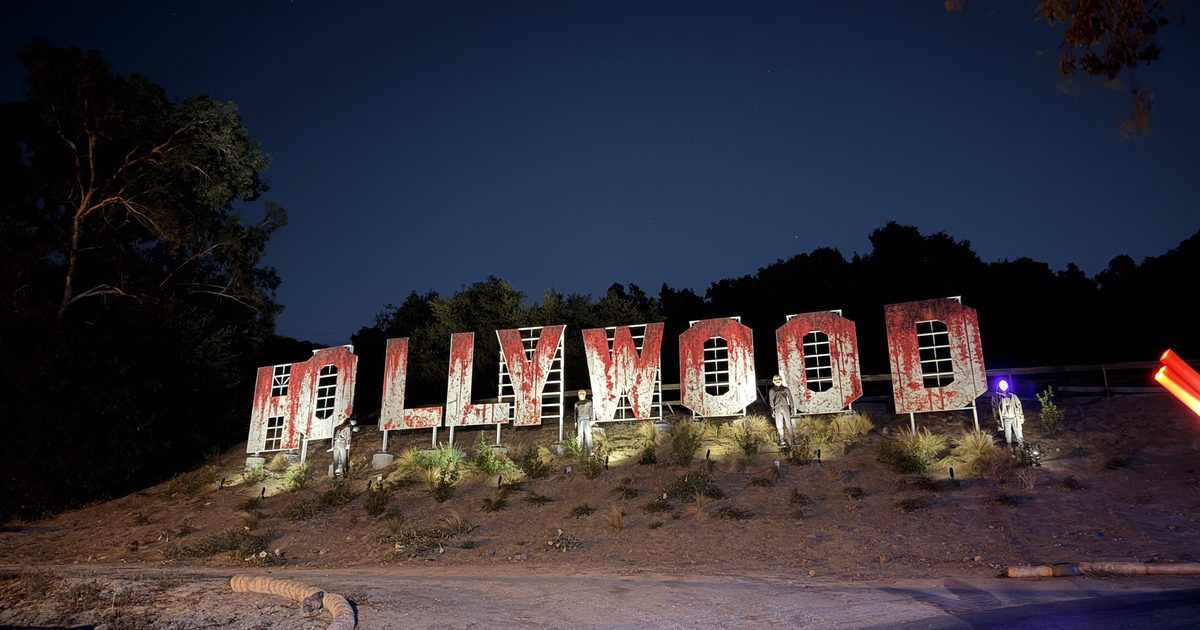
Three years after the 2023 strikes raised alarms about artificial intelligence replacing entertainment workers, a paradox has emerged: some of those same workers are now training the very technology that once threatened their livelihoods. As film and television jobs become increasingly scarce, writers, editors, and executives across Hollywood are quietly taking up gig work just to pay the bills. This work is known as Reinforcement Learning from Human Feedback (RLHF), and it involves fine-tuning AI models by providing human judgments on generated outputs.
The shift reflects a brutal reality in the entertainment industry. The dual strikes of 2023—by the Writers Guild of America and SAG-AFTRA—were fought partly to secure protections against AI encroachment. Yet the post-strike landscape has not delivered the resurgence many hoped for. Streaming services continue to tighten budgets, traditional broadcast networks are shrinking, and overall production volume in Los Angeles has dropped significantly. According to industry data, the number of active film and TV productions in the United States fell by nearly 20% in 2025 compared to pre-strike levels, leaving a glut of experienced professionals scrambling for any work available.
Hollywood Workers Explain Why They’re Training AI Models
One such professional is film editor Gabe Sena. After a prolonged stretch of unemployment, Sena turned to AI training work not out of enthusiasm but out of necessity. In an interview with The Hollywood Reporter, he described his motivation as wanting to understand the technology rather than simply fear it. The work offered a way to stay connected to his field while generating income, even if it meant helping improve the tools that might eventually replace editors like him. Sena signed up through Mercor, a recruiting platform that pairs domain experts with AI companies needing human feedback on model outputs.
Steven Woolworth, a former HBO development executive, shared a similar story. After over a year of fruitless job hunting—despite a resume that included work on major series—he found that AI training gigs were the only consistent paying opportunities available. Woolworth saw the work as a way to stay informed rather than bury his head in the sand. He too found his first assignment through Mercor, which has become a go-to intermediary for Hollywood professionals willing to lend their expertise to AI development.
The trend aligns with a broader industry pattern. Amazon, for example, has begun using AI to cut film and TV production costs through its own dedicated studio initiatives. Other major studios are exploring generative AI for script analysis, storyboarding, and even dialogue generation. This growing adoption of AI tools has only increased the demand for human trainers who can ensure that the models produce creative, coherent, and culturally appropriate outputs.
What the Work Actually Looks Like Once You’re In It
But not all experiences with this type of work are positive. Screenwriter Ruth Fowler provided a stark account of her own journey in a personal essay for Wired. She described eight months and twenty contracts across five different platforms, painting a picture of an industry built on instability. The pay ranges from $16 per hour for entry-level annotation work up to $150 per hour for highly specialized writing tasks. However, the reality of securing consistent work is far more erratic. Fowler detailed abrupt project cancellations with no notice, shifting pay rates that bore little relation to the complexity of tasks, and young, inexperienced managers overseeing workers who had decades of professional experience in film and television.
The gig economy model applied to AI training creates a precarious existence. Workers must constantly monitor platforms for new assignments, often without any guarantee of steady hours or project continuity. The psychological toll is significant: highly skilled professionals are reduced to piecework, competing against thousands of others for short contracts. Moreover, the work itself can be soul-crushing for those who entered the entertainment business out of creative passion. Evaluating AI-generated dialogue, rewriting robotic sentences, and flagging logical inconsistencies in script outlines can feel a long way from writing a screenplay or cutting a feature film.
Despite these challenges, the RLHF industry has expanded rapidly. Between 2025 and 2026, AI-related job postings within the arts and entertainment sector nearly doubled, according to labor market analytics firms. This growth comes even as lawsuits pile up across the country, alleging worker misclassification, unpaid overtime, and unstable scheduling practices by AI training platforms. Several class-action suits have been filed on behalf of gig workers who argue that they should be classified as employees entitled to benefits and protections under labor law. The legal landscape remains unsettled, but the surge in litigation reflects the widespread dissatisfaction with the conditions of this new form of work.
A Growing AI Industry Built on Real Legal and Ethical Tension
The ethical tension of this situation is hard to ignore. Hollywood’s creative community, which was among the loudest voices warning about the dangers of AI, is now quietly feeding the beast. Even prominent figures in the industry have acknowledged the dilemma. Martin Scorsese, a director long celebrated for his traditional filmmaking methods, has officially joined the AI camp, lending his name and expertise to a company developing AI tools for filmmakers. For Scorsese, the decision appears pragmatic—a way to shape the technology rather than be shaped by it—but it nonetheless signals how far acceptance of these tools has spread.
Critics of generative AI in Hollywood, such as Breaking Bad creator Vince Gilligan, have expressed understanding for why struggling workers take these gigs despite the contradictions. Gilligan noted that when people cannot find work in their chosen field, they take what they can get. “You do what you have to do to make rent,” he said in a recent interview. “It doesn’t mean you’ve sold out. It means you’re surviving.” That sentiment captures the moral complexity of the moment. The workers training AI models are not villains; they are victims of a contracting industry that has left them with few alternatives. Their participation in the AI economy is less an endorsement of the technology than a survival strategy.
The broader implications for the entertainment industry are still unfolding. If AI continues to improve through human feedback, it may eventually replace many of the very jobs that trainers are trying to preserve. But for now, the cycle continues: the same people who fear displacement are also the ones teaching the machines how to write dialogue, structure narratives, and mimic human creativity. This unstable equilibrium could last for years, or it could collapse as legal rulings, union actions, or market forces reshape the landscape.
Ultimately, the story of Hollywood workers training AI models is not just about technology. It is about an industry in transition, a workforce in distress, and the uncomfortable choices people make when the bills come due. The cameras may have stopped rolling on many sets, but behind the scenes, a new kind of production is underway—one where human experience is converted into training data, and survival depends on helping the machine learn.
Source: Digital Trends News