

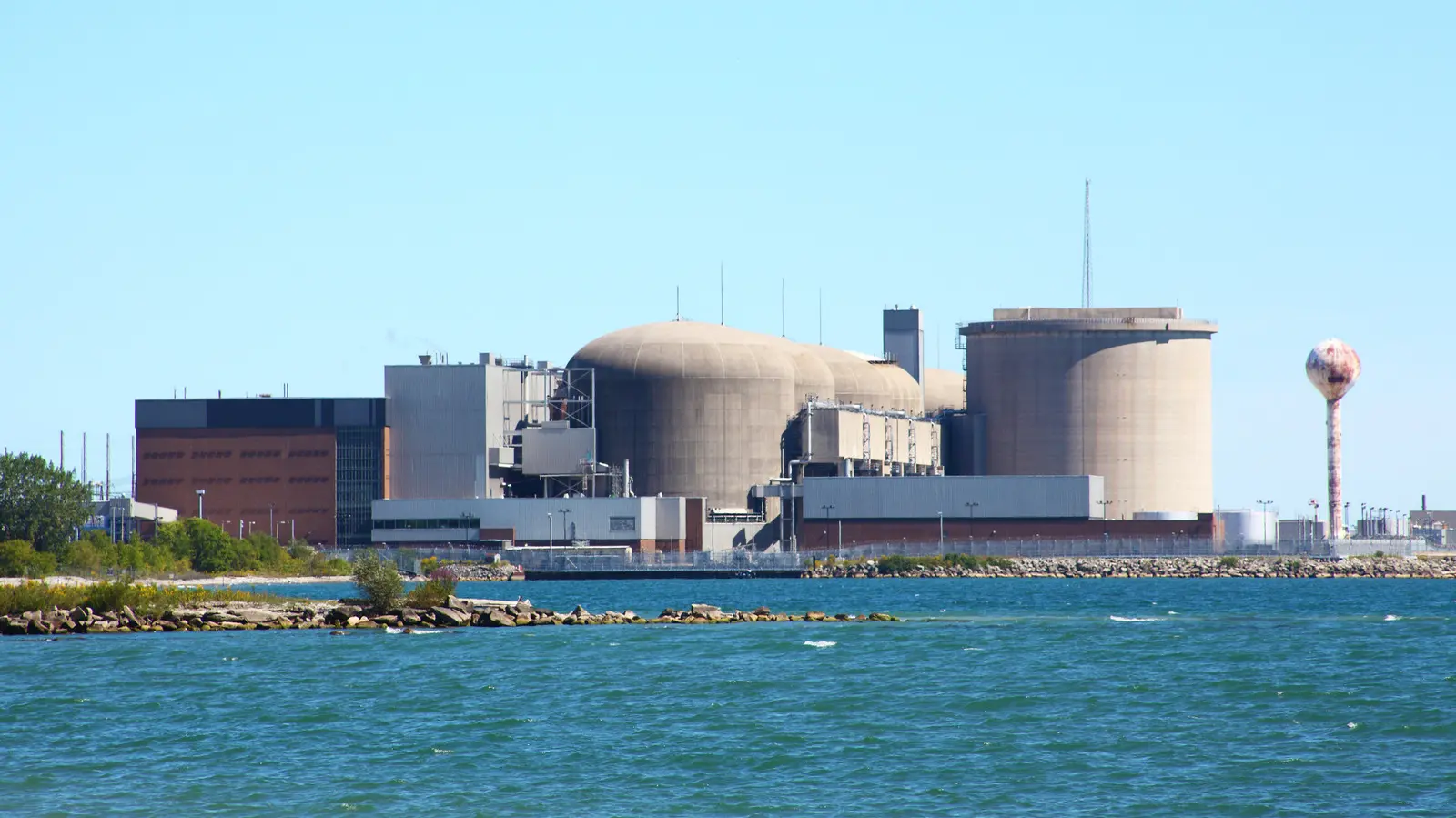
2017 was a landmark year for Canada in terms of nuclear power. That year, the country generated 95.7 million megawatt-hours (MWh) of electricity using just nuclear power, representing 14.7% of the country's total electricity generation. Almost a decade since then, things haven't looked good for nuclear power in the country, with power generation numbers consistently declining. Data from as recently as 2024 indicate that nuclear energy generation from Canada's four active nuclear plants had dropped to 81.7 million MWh, a far cry from the country's 2017 peak.
While there are several reasons for the stagnation of nuclear power generation in Canada, the country appears to be finally making moves to counter it. The Canadian government recently announced major changes to its nuclear energy policy aimed at reinvigorating nuclear power generation in the country.
The renewed policy centers on creating several new nuclear power infrastructure projects (read: power plants) across the country, while also aiming to become a major supplier of nuclear fuel and technology globally. Canada is also looking to expand its uranium production capacity — already the world's second-largest — and will also invest heavily to promote the development of newer nuclear power generation technologies.
As part of this strategy, Canada aims to build two new large-scale nuclear reactors in the coming decade, with a current deadline set for 2035. It also envisions five more power plants in the planning or development stages by 2040. Aside from major power plants, the plan also aims to develop and deploy a Canadian-made microreactor — similar to the one planned by the U.S. Army — to be utilized by one of the many remote communities living across the country.
Why Canada is betting big on nuclear power
Given that Canada's electricity production has remained largely stagnant for several years, the country's renewed push toward nuclear power isn't simply centered around generating more electricity. The refreshed nuclear policy is also a response to growing concerns over rising energy demand, volatile electricity prices, and the country's long-term climate commitments.
Among the reasons for Canada to increase nuclear power generation are the rising use of electric vehicles as a result of a government-backed push, the establishment of power-hungry AI data centers, and natural consumer growth patterns. With Canada's electricity demand expected to rise dramatically over the next few decades, the country feels that now is the time to plan for it. While already investing heavily in renewable energy sources, Canada also recognizes the unpredictability of these power sources, as weather and climate conditions directly affect electricity production. This also explains why Canada is looking at nuclear power as a source of stable "baseload" electricity. Essentially, the country's planned nuclear reactors will take care of the additional load if and when there is a drop in power generation from renewable power sources.
Beyond power generation, the policy will also help promote Canadian nuclear power technology, create additional jobs, and position Canada as a global leader in the rapidly growing nuclear energy sector. If successful, the plan could help Canada emerge as one of the world's most important suppliers of both clean nuclear electricity and nuclear technology.
Historical context and the decline of nuclear power
To understand the significance of this new policy, it is important to look back at the trajectory of nuclear energy in Canada. After peaking in 2017, nuclear generation began to slide due to a combination of aging infrastructure, maintenance shutdowns, and a lack of political will. The four active plants — Bruce, Pickering, Darlington, and Point Lepreau — have faced extended outages and refurbishment delays. Pickering Nuclear Generating Station, which opened in the 1970s, is slated for retirement, though its closure has been postponed multiple times. Meanwhile, Ontario's Darlington and Bruce stations have undergone major refurbishments to extend their operating lives, but these projects have been costly and time-consuming.
The decline in nuclear output coincided with a surge in renewable energy installations, particularly wind and solar in provinces like Ontario and Alberta. However, renewables alone have proven insufficient to meet baseload demands, especially during periods of extreme weather. For instance, during the winter of 2022-2023, a prolonged cold snap caused wind power to drop to near zero, forcing the province to rely on natural gas and imports. This vulnerability has prompted policymakers to reconsider the role of nuclear power in ensuring grid reliability.
The new policy in detail
Under the newly announced plan, the Canadian government will provide financial incentives and regulatory streamlining for the construction of new nuclear plants. The two large-scale reactors expected by 2035 will be of the Candu design or a new small modular reactor (SMR) technology, depending on the final feasibility studies. The five additional plants targeted by 2040 will be a mix of SMRs and traditional units. The government has also allocated funds for research into advanced nuclear technologies, such as thorium reactors and molten salt reactors, which promise greater efficiency and reduced waste.
Canada's uranium production is a key part of this strategy. Currently, the country is the world's second-largest producer, after Kazakhstan, with mines in Saskatchewan supplying about 13% of global uranium. The new policy aims to increase production capacity through new mine developments and enhanced processing capabilities. This will not only support domestic reactor needs but also strengthen Canada's position in the international nuclear fuel market, particularly as countries like India, China, and the UK expand their own nuclear programs.
Another innovative aspect is the microreactor program. Microreactors, which can generate up to 10 megawatts of power, are designed for off-grid applications in remote communities, mining sites, and industrial operations. Canada has over 300 remote communities that rely on diesel generators for electricity, leading to high costs and carbon emissions. A Canadian-made microreactor could provide clean, reliable power to these areas, reducing their dependence on imported fuels. The government has set a target to deploy the first microreactor by 2028 in partnership with a First Nations community.
Rising energy demand and economic implications
The push for nuclear power is also driven by economic factors. Canada's electricity demand is projected to grow by 30% over the next two decades, according to the Canada Energy Regulator. This growth is fueled by the electrification of transportation, the development of data centers for artificial intelligence and cloud computing, and the expansion of manufacturing sectors like battery production and steelmaking. For example, Ontario alone has seen a surge in electricity demand from AI data centers, which can consume as much power as a small city. Without new baseload generation, the province could face energy shortfalls by 2030.
Rising electricity prices are another concern. In provinces like Ontario, residential electricity rates have climbed by over 40% in the past decade, partly due to investments in renewable energy and grid upgrades. Nuclear power, despite its high upfront costs, offers long-term price stability because fuel costs are a small fraction of total operating costs. By investing in new nuclear capacity, the Canadian government hopes to moderate price increases and shield consumers from volatile fossil fuel markets.
Moreover, the nuclear plan is expected to create tens of thousands of high-skilled jobs in construction, engineering, and operations. The Canadian Nuclear Association estimates that each new reactor can support up to 5,000 jobs during construction and 500 permanent jobs during operation. This aligns with the government's broader economic strategy to build a clean energy workforce and transition away from fossil fuels.
Environmental and climate considerations
Canada has committed to achieving net-zero emissions by 2050, and nuclear power is seen as a critical tool to reach this goal. While renewables like wind and solar are essential, they cannot provide the consistent baseload power that nuclear offers without extensive energy storage. Battery storage remains expensive and is not yet scalable enough to handle seasonal variations. Nuclear plants, on the other hand, can run continuously for 18 to 24 months between refueling, with a small land footprint compared to solar farms or wind turbines.
However, the nuclear plan is not without controversy. Environmental groups have raised concerns about radioactive waste management, safety, and the high costs of decommissioning. Canada currently stores used nuclear fuel at the reactor sites, with a long-term plan to build a deep geological repository. The government has pledged to advance the site selection process for a permanent waste facility, potentially in the region of South Bruce, Ontario. Opposition from local communities remains a challenge, but the government believes that transparent dialogue and compensation packages can address these concerns.
Additionally, the new policy includes increased funding for research into advanced nuclear technologies that produce less waste and can potentially use recycled fuel. Canada is also collaborating with international partners, such as the US and the UK, on next-generation reactor designs. This positions Canada as a leader in nuclear innovation, which could lead to exports of technology and expertise.
The path forward is ambitious, but Canada has a strong history in nuclear energy. From the development of the Candu reactor in the 1960s to its current role as a uranium supplier, the country has the technical and regulatory foundation to succeed. The new plan, if executed effectively, could reverse the decline in nuclear generation, stabilize energy prices, and help meet climate targets. The next few years will be critical as projects move from planning to construction, and as Canada navigates the challenges of public acceptance, financing, and technological deployment.
Source: SlashGear News