

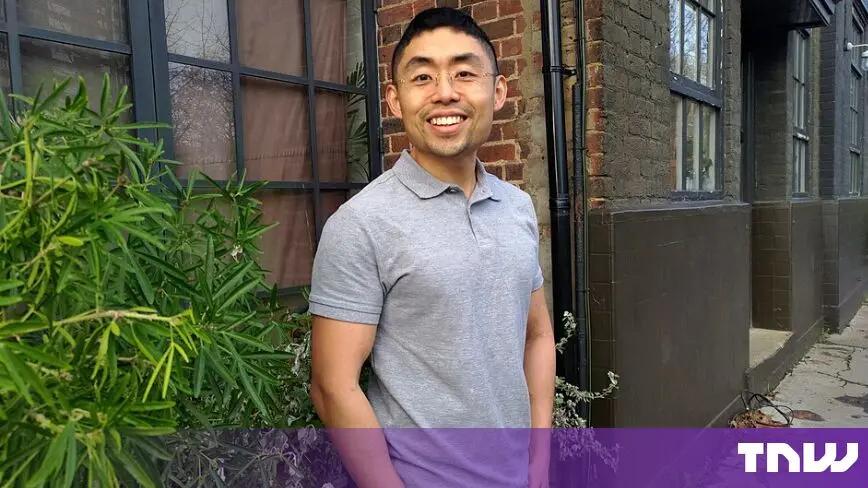
An interior design creator with 2.4 million YouTube subscribers has apologised for running an AI advertisement. Cliff Tan, who posts as Dear Modern, published a video on Monday walking the sponsorship back. “Yesterday I made a video on AI, and it disappointed many of you,” he said. “I’m really sorry about that.”
The Advertisement That Sparked the Backlash
The ad was for Dreamina, an AI tool that turns written prompts into animated video. Dreamina is CapCut’s AI brand and belongs to ByteDance. It runs on the Seedance models the company recently fitted with watermarking and IP guardrails before a global rollout. Tan uploaded his own hand-drawn sketches and had the software animate them into a floor plan, showing how an AI tool might help designers move from concept to visualisation more quickly.
Tan’s channel, Dear Modern, has become one of the most popular interior design destinations on YouTube. He is known for clear, hand-drawn diagrams that explain feng shui, furniture placement, proportion and flow. His calm delivery and practical approach have earned him a loyal audience of 2.4 million subscribers, many of whom appreciate the analog feel of his videos in a digital world.
Why the Sponsorship Felt Different
He had tried to inoculate himself inside the ad itself, saying he does not “like AI” because “it makes you forget to use your brain.” It made no difference. The comments filled with objections, one of them collecting 1,700 likes: “No, Mr. Cliff. Please. Don’t sell yourself to AI.” The criticism was not just about Dreamina; it was about what the partnership represented. For many long-time viewers, Tan’s method is the brand. Seeing that method handed over to an AI tool felt like a break from the values that made the channel popular.
In a follow-up comment Tan said he had thought the software “would be genuinely useful to fellow designers.” He added that he did not want viewers “with the right sentiments, to be martyrs in a world that is increasingly leaving us behind.” That response acknowledged the ethical concerns while also pointing to the practical pressures that creative professionals now face. AI tools are being embedded into everything, and refusing to touch them can feel like choosing irrelevance.
ByteDance and the AI Advertising Push
Part of the anger was aimed at the advertiser. Dreamina is part of a broader push by ByteDance into generative AI, especially in the area of video generation. CapCut, the company’s editing app, has made the tool accessible to millions of users. The company has also added watermarks and other safeguards to its Seedance video models in an effort to address concerns about misuse. But for many viewers, the association with a major tech company was enough to raise red flags.
The backlash also comes at a time when YouTube is paying closer attention to AI-generated content. The platform has introduced stronger disclosure requirements for realistic synthetic media, and creators who flood their channels with low-effort AI material have been caught in a broader “slop” crackdown. In this environment, an influencer promoting an AI video tool can easily be perceived as part of the problem, even when the tool itself is not being used to create deceptive content.
A Second Creator Apology in a Week
This is the second apology of its kind in a week. Hank Green, who has more than 3.2 million subscribers, apologised on August 4 for leaning on ChatGPT to find papers and sources for his scripts. Green is known for educational content on science and culture, and his standards for accuracy and intellectual honesty are high. He later published a personal AI policy ruling out letting a model write, edit or outline anything. His apology was also a response to community concerns, not to any clear violation of platform rules.
The two cases are different in important ways. Green used ChatGPT to assist with research, not to generate finished content. Tan used Dreamina to animate his own drawings, not to replace his design instincts. In both cases, however, the creators were punished for the association. That is the part worth noting for anyone selling AI tools through influencers: the market is rougher than sponsor rates suggest, and trust is a fragile currency.
AI’s Growing Presence in Interior Design
The profession Tan works in has been drifting the other way. The British Institute of Interior Design said last year that AI “has a growing presence in interior design.” Firm founder Stephen Dick told the organisation that “the possibilities are impressive” with text-to-image visualisation tools. Designers are using AI to generate mood boards, test colour palettes and communicate ideas to clients more quickly. For some, this is the natural next step in a field that already relies heavily on visual communication.
Yet the fan reaction to Tan shows that professional adoption and audience acceptance are not always aligned. A designer can use AI behind the scenes and still produce excellent work. But when an AI tool is sponsored and shown on a channel built around personal skill, the message changes. viewers see a beloved creator handing their creative process to an algorithm, and the emotional reaction is often stronger than the actual change in workflow.
Trust and the Creator Economy
What makes this particularly difficult for creators is that they are expected to be transparent about sponsorships while also maintaining a brand identity. A paid advertisement for a smartphone or a mattress may not threaten that identity. But an AI tool can feel like a value judgment about the very labour that made the creator successful. For Tan, drawing is not just a means to an end; it is an intrinsic part of his channel’s appeal. Promoting a tool that automates part of that process is therefore a different kind of risk.
It is also a risk for the advertiser. Influencer marketing is built on trust, and when that trust is broken, the negative reaction can overwhelm the positive reach of a campaign. A sponsorship that generates millions of impressions is not always a win if those impressions are accompanied by anger and distrust. In Tan’s case, the apology video itself may end up being seen by more people than the original ad, thanks to the controversy.
The Bigger Picture
The debate around AI in creative fields is not going away. Tools like Dreamina are becoming more capable, more expensive and more deeply integrated into professional workflows. At the same time, audiences are becoming more attuned to what AI can do and more sceptical of how it is being used. Creators who accept AI partnerships will need to explain their reasoning clearly, choose tools that genuinely align with their methods, and be prepared for pushback even when their use of the technology is limited.
For now, the response to Tan and Green suggests that many subscribers are less concerned about the specific AI use than about what it signals. Creators who built their channels on manual skill and personal taste are held to a different standard, and any AI sponsorship — however harmless — is likely to be read as a step away from that identity. The challenge for both creators and advertisers is to find a way forward that respects the audience’s values while still allowing for experimentation with tools that may, in the long run, become essential.
Source: TNW | Apps News