

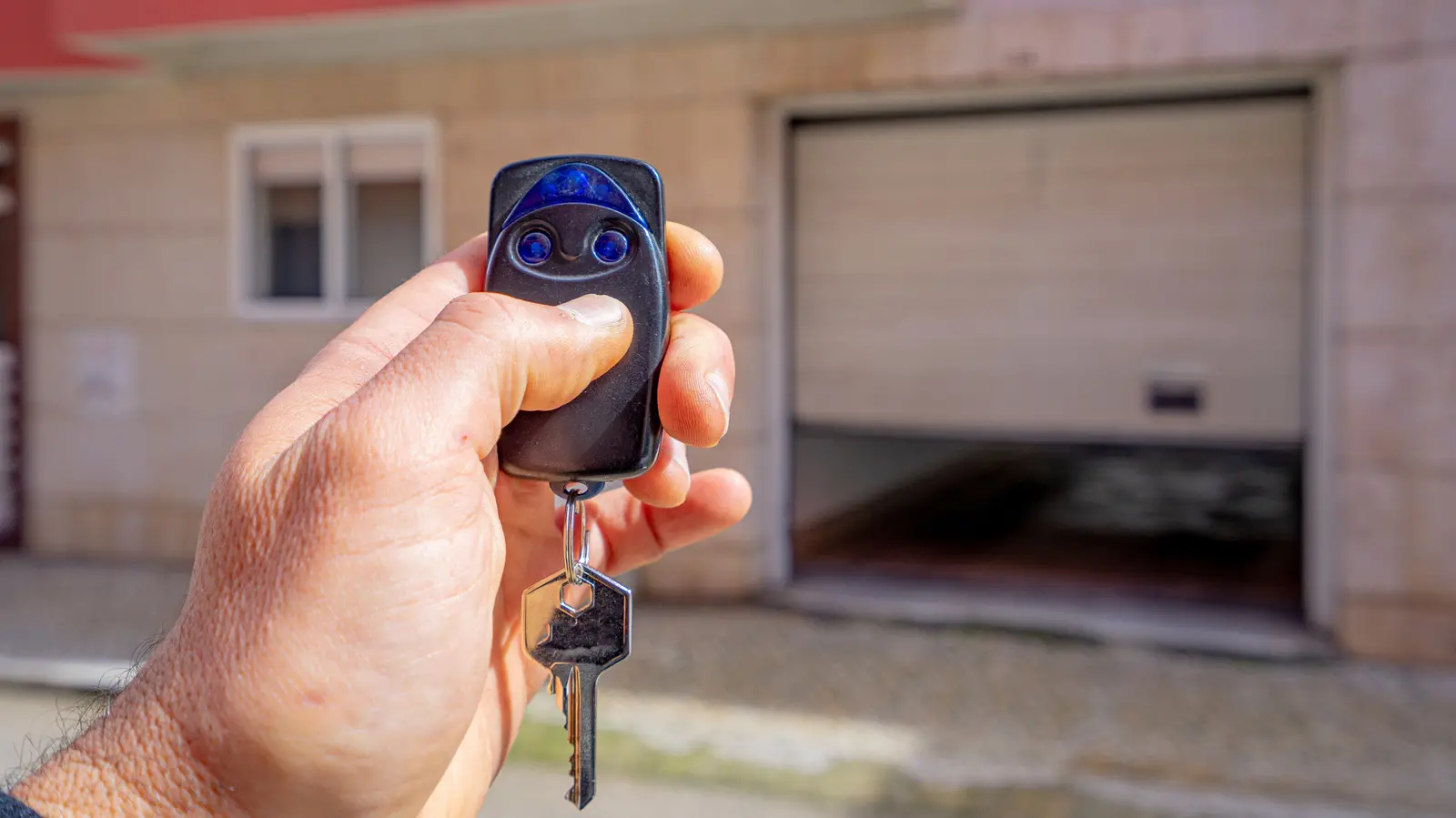
A garage door opener is one of those home conveniences that most people take for granted until it starts acting up. When it works reliably, you press a remote button or keypad code, the door glides open smoothly, and you go about your day. But when it stutters, refuses to cooperate, or makes alarming sounds, you quickly realize just how much you depend on this motorized workhorse. The good news is that most garage door opener problems don&39;t appear without warning. By understanding the typical lifespan of these devices and recognizing the most common signs of failure, you can replace your opener on your own terms rather than facing an unexpected breakdown at the worst possible time.
Garage door openers typically last between 15 and 20 years, though several factors can shorten or extend that range. The frequency of use, the quality of installation, local climate conditions, and how well you maintain the system all play significant roles. For instance, a family that opens and closes the garage door dozens of times per day will likely stress the motor and gears far more than a single person who leaves home and returns once or twice daily. Similarly, extreme temperature swings, humidity, and corrosive coastal air can cause premature aging of electrical components and metal parts. If your opener is approaching 15 years of age, it&39;s wise to start researching replacement options before you&39;re forced into an emergency purchase.
It&39;s important to note that not every issue with your garage door opener means you need a full replacement. Sometimes a simple repair, like replacing a worn-out remote battery, adjusting the travel limits, or cleaning the photo-eye sensors, can solve the problem. But in other situations, particularly when the unit is old and multiple components are failing, investing in a brand-new opener can be more cost-effective than continually paying for repairs on a system nearing the end of its useful life.
Inconsistent Operation
One of the clearest indicators that your garage door opener is in distress is inconsistent operation. If your remote works sometimes and other times requires multiple presses, or if the wall switch functions sporadically, that inconsistency is a red flag. You might also notice that the door responds to the signal but then stops halfway, or that it reverses direction without any obstruction in sight. Even more troubling is when the garage door opens or closes on its own without any command, which is both a security risk and a sign of a serious malfunction.
These unpredictable behaviors often point to issues within the opener&39;s internal components. The logic board, which acts as the brain of the system, can develop faulty solder joints or capacitors over time. The motor itself may start to lose torque, making it unable to lift the door consistently. Radio frequency interference from other devices, or even a neighbor&39;s remote broadcasting on the same frequency, can also cause intermittent operation. While some of these issues are easy to fix, others are not.
If your garage door opener is relatively young and has otherwise been reliable, a professional inspection might reveal that a simple part like a worn-out gear or a failing capacitor is the culprit. Swapping out that component could give you several more years of service. However, if the opener is older and the inconsistencies are becoming more frequent, that&39;s a sign that the system is struggling to perform its basic function. In such cases, the cost of repeated service calls can quickly surpass the price of a new unit, making replacement the smarter long-term choice.
Strange Noises or Movements
Your garage door opener shouldn&39;t be a source of loud, unexpected sounds. When you press the button, a well-maintained unit produces a relatively quiet hum as the motor activates and the door moves along its tracks. If you start hearing grinding, rattling, snapping, or squealing noises, pay close attention. These sounds are not just annoying; they are the opener&39;s way of telling you that internal components are wearing out.
Likewise, the motion of the door itself can be revealing. A healthy garage door should open and close at a steady, even speed. If you notice the door moving more slowly than it used to, or if it jerks, stutters, or hesitates during operation, those visual cues are just as concerning as unusual noises. The door might also start out of alignment, leaving gaps at the top or bottom when closed.
Many mechanical issues can cause these problems. The opener&39;s chain or belt drive may be stretching, the gears inside the motor housing could be wearing down, or the rollers and hinges on the door itself might need lubrication. Sometimes a technician can fix these issues by replacing a drive belt or adjusting the tension. But when the problems are originating from the motor or the internal gear train, the repair cost can approach half the price of a new opener. Given that these symptoms often appear in units that are already 10 to 15 years old, many homeowners decide that replacement is the better investment.
Newer openers, especially those with DC motors, operate much more quietly and smoothly than older models. Upgrading can eliminate the bothersome noise and provide a more refined, reliable performance. If you intend to stay in your home for several more years, replacing a noisy, jerky opener is often justified by the improved convenience and peace of mind alone.
The Garage Door Doesn&39;t Close Completely
Few things are more frustrating than watching your garage door refuse to close all the way, especially when you&39;re in a hurry to leave for work or you&39;re trying to secure your home at night. This issue can manifest in a few different ways. Sometimes the door closes a few inches, then reverses direction and opens back up. In other cases, it travels most of the way down but leaves a small gap at the bottom before stopping or bouncing back.
The most common cause of this problem is related to the safety sensor system. Modern garage door openers are equipped with photo-eye sensors mounted near the floor on both sides of the door. These sensors emit an invisible beam across the opening. If that beam is interrupted by a person, pet, or any obstruction, the opener is programmed to reverse direction to prevent injury or damage. Sometimes, the sensors are working correctly but are being tripped by something innocent, like a spider web, accumulated dirt, or a stray leaf. Simply cleaning the lenses or clearing the area can resolve the issue without any repair.
However, if the sensors are misaligned, damaged, or failing, they may cause the door to behave erratically. A sensor that has shifted out of alignment might not receive the beam properly, causing the opener to think there is an obstruction even when the doorway is clear. While adjusting the sensors is often a straightforward repair, a sensor that is malfunctioning internally may require replacement of the entire opener unit, especially if the sensors are proprietary and hard to find.
Another possibility is that the problem lies with the door&39;s tracks or rollers. If the tracks are bent or obstructed, the door may get stuck partway down. If the rollers are worn, they can cause the door to bind or catch. These issues sometimes require extensive repair work on the door itself, which can involve realigning the tracks, replacing damaged sections, or installing new rollers. In these cases, the opener itself may be fine, but the door mechanism needs attention. A professional inspection can help you determine whether the problem is isolated to the opener or involves the broader door system.
Your Garage Door Opener Relies on Old Tech
Even if your garage door opener is functioning perfectly, there are compelling reasons to replace it when it has fallen behind the times technologically. Older openers often lack modern safety and convenience features that have become standard in newer models. For example, many older units use fixed-code remotes, meaning they transmit the same code every time you press the button. This makes them vulnerable to code grabbing by tech-savvy thieves, a security risk that is all but eliminated by rolling-code technology found in modern openers.
Smart garage door openers have revolutionized the way homeowners interact with their garages. These Wi-Fi-enabled devices allow you to monitor and control your garage door from anywhere using a smartphone app. You can receive alerts if the door is left open, close it remotely when you&39;re away from home, and grant temporary access to visitors or delivery drivers without sharing a physical remote. Some models integrate with virtual assistants like Amazon Alexa and Google Assistant, enabling voice control. Others feature battery backup systems that keep your garage functional during power outages, a critical safety feature that old-tech openers lack.
Additionally, newer openers operate more efficiently with DC motors that are quieter, more energy-efficient, and provide smoother start-and-stop motion. Many include built-in lighting that automatically turns on when the garage door is used, and some even come with security cameras or compatibility with home automation systems. Upgrading to a smart opener can also increase your home&39;s value, as prospective buyers often look for modern, secure home features.
If you&39;re considering a replacement purely for the technology upgrade, it&39;s important to choose an opener that matches your specific needs. Options include belt drive, chain drive, and screw drive models. Belt drives are the quietest, making them ideal for attached garages with living spaces above. Chain drives are economical and durable, but noisier. Screw drives offer a middle ground with minimal moving parts. You&39;ll also need to consider the horsepower or the newer lifting power ratings to ensure the opener can handle the weight of your garage door.
No matter what, it&39;s critical to remember that garage door openers are complex machines with powerful motors and high-tension springs. They can be dangerous, especially when they&39;re not functioning properly. Attempting to diagnose or repair garage door opener problems without the necessary training and experience puts you at risk of serious injury. If you notice any of the warning signs described above, your next step should be to contact a qualified professional for an inspection. They can provide a thorough assessment and recommend whether a simple repair will suffice or if investing in a new, feature-rich opener is the better path. In the meantime, you can begin researching replacement options so that you&39;re ready to make an informed decision that will deliver reliable, safe, and modern performance for years to come.
Source: SlashGear News