

For almost two weeks, high-ranking team members at Anthropic have been engaged in sensitive negotiations with the Trump administration. Their goal: to lift a highly restrictive export control directive that has forced the company to pull its advanced Claude Fable 5 AI model from public access. According to a new report from Wired, these talks initially faced significant hurdles—and much of the friction was attributed to the involvement of Anthropic's CEO, Dario Amodei. However, since Amodei was replaced in the discussions by co-founder Tom Brown, the atmosphere has shifted markedly for the better.
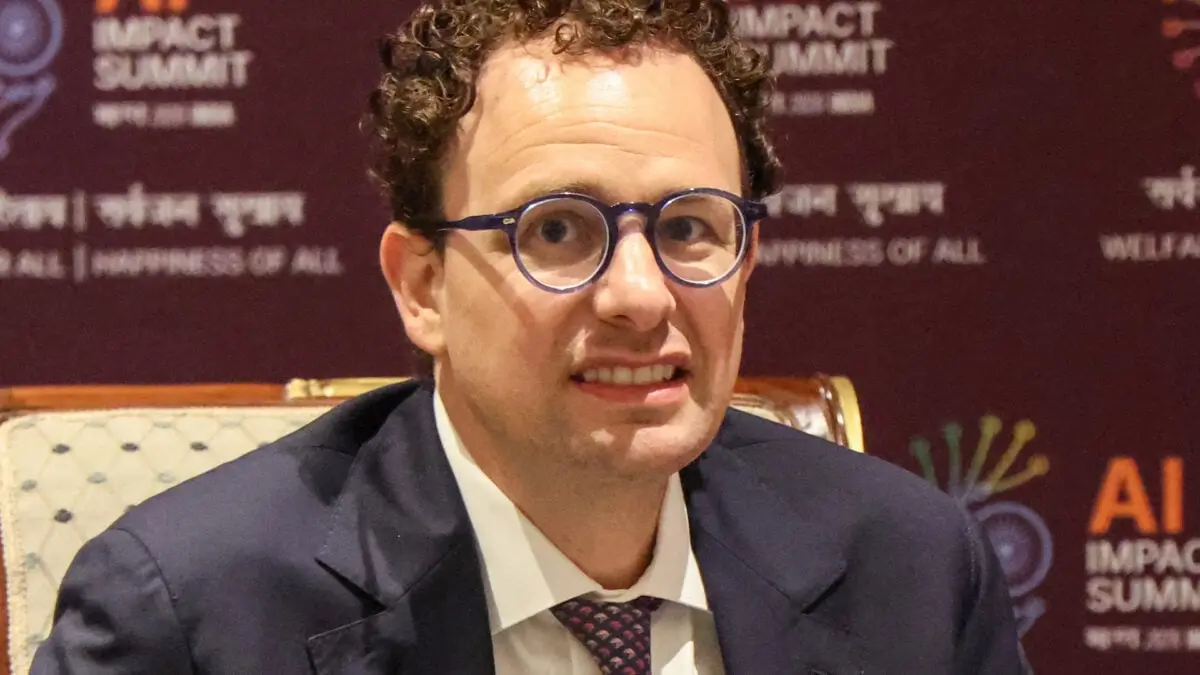
The report, citing an anonymous source involved in the calls, states bluntly: “Tom Brown is not being a weirdo like Dario and can actually engage.” The source described Amodei as hard to deal with and not a good listener. Past reporting has painted a picture of Amodei as someone prone to “ranting” and struggling to control his emotions. His public appearances often reveal a queasy facial expression, a trumpet-like speaking voice, and animated arm movements, sometimes accompanied by tilting his head toward the ground mid-sentence. In contrast, Brown comes across as warmer and more traditionally personable. His speaking style, while still reflecting a nervous nerdiness common in tech circles, includes easy smiles and a softer, steadier voice.
Brown has been working alongside Sarah Heck, Anthropic's Head of Public Policy. From available interviews and public appearances, Heck appears enthusiastic and on-message, but also disciplined and cautious—attributes well-suited for a role that requires navigating complex regulatory landscapes. The trio is now reportedly making progress where Amodei had stalled.
The core issue revolves around Claude Fable 5, which Anthropic markets as a “Mythos-class” model. This designation means it uses the same core technology as Claude Mythos Preview, a model Anthropic deemed too dangerous for public access. Fable 5 was ostensibly stripped of the capabilities that made its predecessor a potential cybersecurity threat. However, according to multiple sources, Amazon researchers alerted the White House shortly after Fable 5's release that jailbreaks could easily remove these safeguards. Prior to learning about the jailbreak vulnerability, the White House was already concerned that bad actors with Chinese interests might have accessed the model. These combined fears prompted the White House to issue an export control order roughly three days after Fable 5 was released. The order required Anthropic to prevent non-U.S. nationals from using Fable 5, as well as another, more exclusive model called Mythos 5.
In response, Anthropic pulled Fable 5 offline on June 12. Talks between the company and the White House began shortly thereafter. The involvement of Tom Brown appears to have been a turning point. Brown's co-founder status and his calmer demeanor have reportedly improved communication flows. While Anthropic has not officially commented on the change in negotiation leadership, the progress is evident. The company hopes that by addressing the White House's concerns—both about cybersecurity risks and unauthorized access—they can secure approval to bring Fable 5 back online.
This development comes at a critical time for Anthropic. The company is one of the leading players in the frontier AI space, alongside OpenAI and Google DeepMind. Its models, particularly the Claude series, are widely used by developers and enterprises. However, the regulatory environment is tightening. The Trump administration, despite its generally pro-business stance, has shown a willingness to impose strict controls on AI technologies that it deems a national security risk. The export control order targeting Fable 5 is a clear example. Anthropic's ability to negotiate effectively is therefore not just about one product, but about setting a precedent for future interactions between AI companies and the government.
Dario Amodei, for his part, is a well-known figure in AI safety research. Before co-founding Anthropic, he was a researcher at OpenAI and is a co-author of several influential papers on AI alignment. His intense focus on safety and his sometimes confrontational style have been both a strength and a liability. While he has been a driving force behind Anthropic's mission to build safe AI, his interpersonal style has reportedly caused friction in high-stakes negotiations. The decision to replace him with Brown suggests that Anthropic recognizes the need for diplomacy in dealing with government regulators.
Tom Brown is less well-known publicly, but he is equally crucial to Anthropic's technical foundation. As a co-founder, his LinkedIn title is simply “co-founder,” but he has been instrumental in developing the core technologies behind Claude. His background includes research in machine learning and natural language processing. His more approachable demeanor may help bridge the gap between Anthropic's technical objectives and the government's security concerns.
Sarah Heck, the head of public policy, brings a different set of skills. She has extensive experience navigating the intersection of technology and regulation. In her public appearances, she emphasizes Anthropic's commitment to responsible AI development, but she also avoids making promises that could be seen as overreaching. Her cautious approach is likely reassuring to government officials who are wary of AI companies prioritizing speed over safety.
The outcome of these negotiations will have ripple effects across the AI industry. If Anthropic succeeds in getting the export control order lifted, it could establish a template for other companies facing similar restrictions. Conversely, if the talks fail, it may signal that the government is not yet ready to trust even safety-focused companies with advanced AI models. The fact that the talks are now reportedly on track is a hopeful sign, but much work remains.
The White House has not publicly commented on the negotiations. However, sources indicate that the administration is taking a measured approach, weighing the economic benefits of allowing Fable 5 back online against the national security risks. The involvement of Amazon researchers in raising the jailbreak concern has added another layer of complexity, as it pits two major tech companies against each other in the regulatory arena. Amazon is both an investor in Anthropic and a potential competitor, with its own AI models.
Meanwhile, Anthropic continues to develop its next-generation models. The company has already previewed Claude Sonnet 5, a more cost-effective model with agentic capabilities, but notably poor cybersecurity performance. This was likely intentional, to avoid triggering the same kind of government backlash. The incident with Fable 5 has made Anthropic acutely aware of the need to balance capability with control.
As the talks continue, all eyes are on Tom Brown and Sarah Heck. Their ability to navigate the political landscape will determine whether Fable 5 returns to the market or remains offline indefinitely. For now, the shift away from Dario Amodei's direct involvement appears to be a positive move. The “weirdo” label, while unflattering, has been replaced by a focus on productive dialogue. The AI industry will be watching closely.
Source: Gizmodo News