

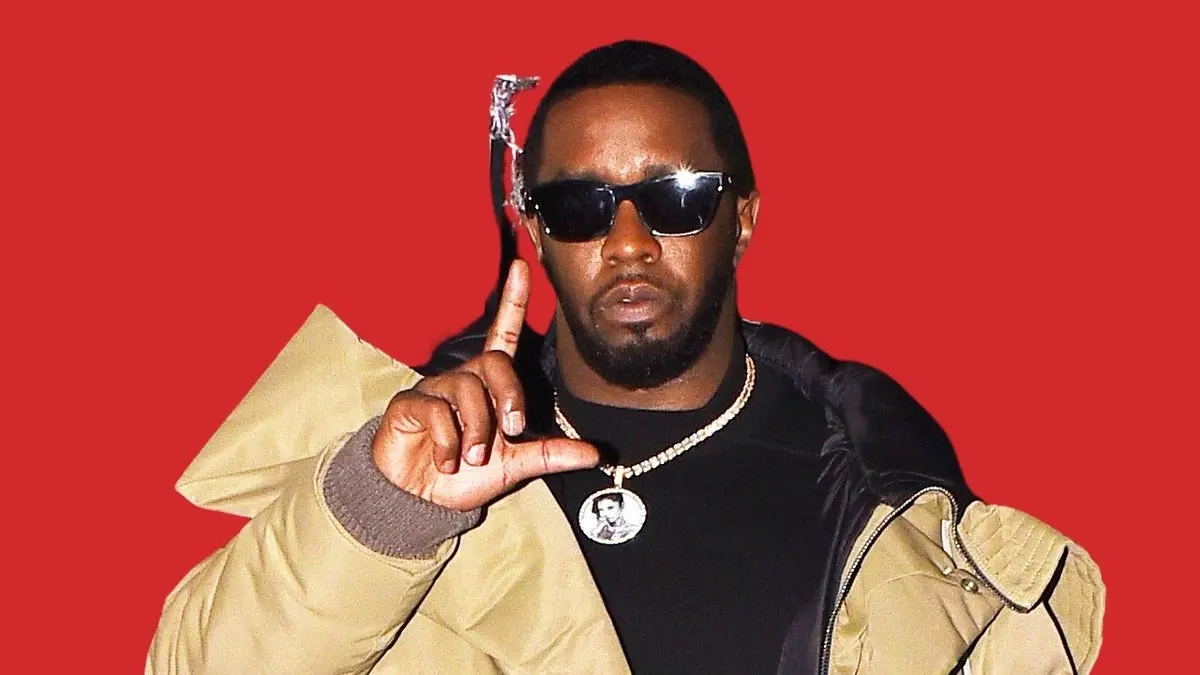
Sean “Diddy” Combs, the embattled music mogul, has once again seen his release date from federal prison shifted. According to the Federal Bureau of Prisons, the 56-year-old rapper and producer will no longer be released on January 24, 2028, as had recently been announced. Instead, his new release date is now set for February 20, 2028. This marks yet another twist in a case that has kept the entertainment world and legal observers on edge.
The latest postponement comes just weeks after a physical altercation at the Federal Correctional Institution in Fort Dix, New Jersey, where Combs is currently serving his sentence. The fight reportedly broke out after another inmate hurled insults at Combs. Prison staff intervened to separate the two men, and Combs was subsequently placed in solitary confinement. A source cited by TMZ claimed that the artist “held his own” during the confrontation. However, neither Combs’ representatives nor the Bureau of Prisons have confirmed whether the fight is directly responsible for the new delay.
A Shifting Timeline of Release Dates
This is not the first time Combs’ release date has been adjusted. Originally expected to walk free sometime during the summer of 2028, his release was then moved up to April, later to February, then to January, and now back to February. The frequent changes have fueled speculation about conditions inside the prison and Combs’ own behavior. While some observers view the administrative back-and-forth as routine, others see it as a sign of underlying tensions that the prison system is struggling to manage.
Combs’ legal troubles began long before his imprisonment. In October 2025, he was convicted on two counts related to transporting individuals for prostitution. The jury found him guilty of facilitating prostitution through interstate travel, but acquitted him of more serious charges including sex trafficking and racketeering, which had carried the possibility of a life sentence. The mixed verdict allowed Combs to avoid decades behind bars, but still resulted in a four-year prison term.
The Case Against Diddy
The charges stemmed from a broader federal investigation into Combs’ activities over a period of several years. Prosecutors argued that Combs used his enormous wealth and influence to arrange travel for women who were expected to engage in sexual acts. The allegations first came to light in a series of civil lawsuits filed in 2023 and 2024, in which multiple accusers came forward with claims of abuse, coercion, and sexual misconduct. Combs consistently denied all allegations, and his legal team maintained that the relationships were consensual.
During the trial, witnesses testified about lavish parties, private jets, and hotel suites allegedly used by Combs to facilitate these encounters. One key witness, singer Kid Cudi, testified about a confrontation with Combs, further painting a picture of a man who used intimidation and physical force. Despite the acquittals on the most serious counts, the guilty verdict on the transportation charges was enough to send Combs to prison.
Judge Arun Subramanian, who presided over the case, delivered a stern rebuke during the sentencing hearing. He acknowledged Combs’ achievements as an entrepreneur and artist, but emphasized the gravity of the offenses. The judge noted that Combs had used his “power and resources” to perpetuate “physical, emotional, and psychological” abuse against victims. The sentencing marked the end of a dramatic legal saga that had at times seemed destined to end with a life sentence.
Prison Life and the Latest Incident
The altercation at Fort Dix, which has now thrown Combs’ release schedule into question, is not the first reported incident during his time behind bars. Prison insiders have described a tense atmosphere where Combs, once one of the most recognizable figures in hip-hop, is now just another inmate. The facility in New Jersey, a low- to medium-security prison, houses a diverse population of offenders, and high-profile inmates often face unique challenges, including jealousy and provocation from other prisoners.
According to reports, the recent fight began when another detainee made derogatory comments toward Combs. The argument escalated quickly, and guards rushed to break up the physical confrontation. Following the incident, Combs was placed in segregated housing, a move commonly used to protect inmates or maintain order. It is unclear how long he remained in isolation or when he was returned to the general population.
Neither the Bureau of Prisons nor Combs’ legal representatives have publicly commented on the specifics of the altercation or its impact on his release date. The lack of official information has led to widespread speculation, including claims by some outlets that the dispute may have been captured on surveillance cameras. However, authorities have declined to release any footage.
Combs’ Legal Team Responds
Combs’ lawyers have consistently argued that he is being treated unfairly and that the prison system is subjecting him to unnecessarily harsh conditions. In previous court filings, they have complained about the denial of bail, the conditions of his confinement, and the slow pace of proceedings. After the conviction, his team announced plans to appeal, citing procedural errors and alleged juror misconduct. The appeal is still pending, and it is unclear whether it could affect his eventual release.
Legal analysts note that the latest release date shift is unlikely to be connected to the fight unless officials determine that Combs committed a disciplinary infraction. If he is charged with a prison violation, he could face additional time or loss of good conduct credits. However, no such charges have been announced. The Bureau of Prisons frequently adjust release dates for a variety of administrative reasons, including changes in computation of time served, good behavior credits, and facility transfers.
A Career Marked by Success and Controversy
Before his fall from grace, Sean Combs was one of the most influential figures in music and business. Born in Harlem, New York, he rose to prominence in the 1990s as the founder of Bad Boy Records, launching the careers of artists like The Notorious B.I.G., Faith Evans, and 112. He later reinvented himself as a solo artist under the stage names Puff Daddy, P. Diddy, and simply Diddy, achieving massive hits such as “I’ll Be Missing You” and “Coming Home.”
His business ventures extended far beyond music. Diddy founded the clothing line Sean John, which won a Council of Fashion Designers of America award, and launched the premium vodka brand Ciroc, which became a staple of hip-hop culture. He also produced films, starred in reality television shows, and was repeatedly named among the richest figures in hip-hop. His wealth and influence made him a fixture at award shows, celebrity galas, and political fundraisers.
Yet his reputation was increasingly shadowed by allegations of violence and misconduct. Before the federal case, Combs faced a string of civil lawsuits, including a notable suit from his ex-girlfriend Cassie Ventura, who accused him of rape, physical abuse, and years of coercive control. Combs settled that lawsuit within a day of its filing, though he maintained his innocence. Other accusers later came forward, culminating in the federal investigation that led to his arrest in September 2024.
The Role of Public Sentiment
Public perception of Diddy has shifted dramatically since his arrest. Once celebrated as a visionary entrepreneur, he is now often portrayed as a cautionary tale about unchecked power. The criminal trial was covered extensively by media outlets, and social media was flooded with commentary. Several celebrities, including rapper 50 Cent, have publicly mocked Combs, with 50 Cent launching a series of jabs at the imprisoned mogul and even teasing a television series based on his legal woes.
Combs’ imprisonment has also sparked broader conversations about the entertainment industry’s handling of misconduct allegations. The case has been compared to the MeToo movement and the criminal proceedings against other music industry figures. Advocacy groups have praised the guilty verdict as a step toward accountability, while Combs’ supporters argue that he is the victim of a campaign to destroy his legacy.
What’s Next for Diddy
With his new release date set for February 20, 2028, Combs is expected to remain in federal custody for at least another two years. The appeal of his conviction could potentially shorten or extend that timeline, depending on how the appellate court rules. Combs’ legal team has not indicated whether they will seek a retrial or a reduction in his sentence, and the Bureau of Prisons has not commented on any potential impact from the appeal.
In the meantime, Combs remains in Fort Dix, where he has reportedly been participating in educational programs and attempting to maintain a low profile. His family continues to visit him, and his children have occasionally shared messages of support on social media. The music mogul’s empire, while still intact, has been managed largely by his associates during his absence. It remains unclear whether Combs will be able to reclaim his former status upon release, or whether his legal legacy will permanently overshadow his contributions to popular culture.
The fight at Fort Dix serves as a reminder that Combs’ imprisonment is not just a legal matter but a human story. His ability to adapt to the realities of prison life, while avoiding further disciplinary actions, will be crucial in determining whether his release date holds. For now, the world waits for the next twist in a saga that continues to captivate the public’s attention.
Source: watson.ch/fr News