

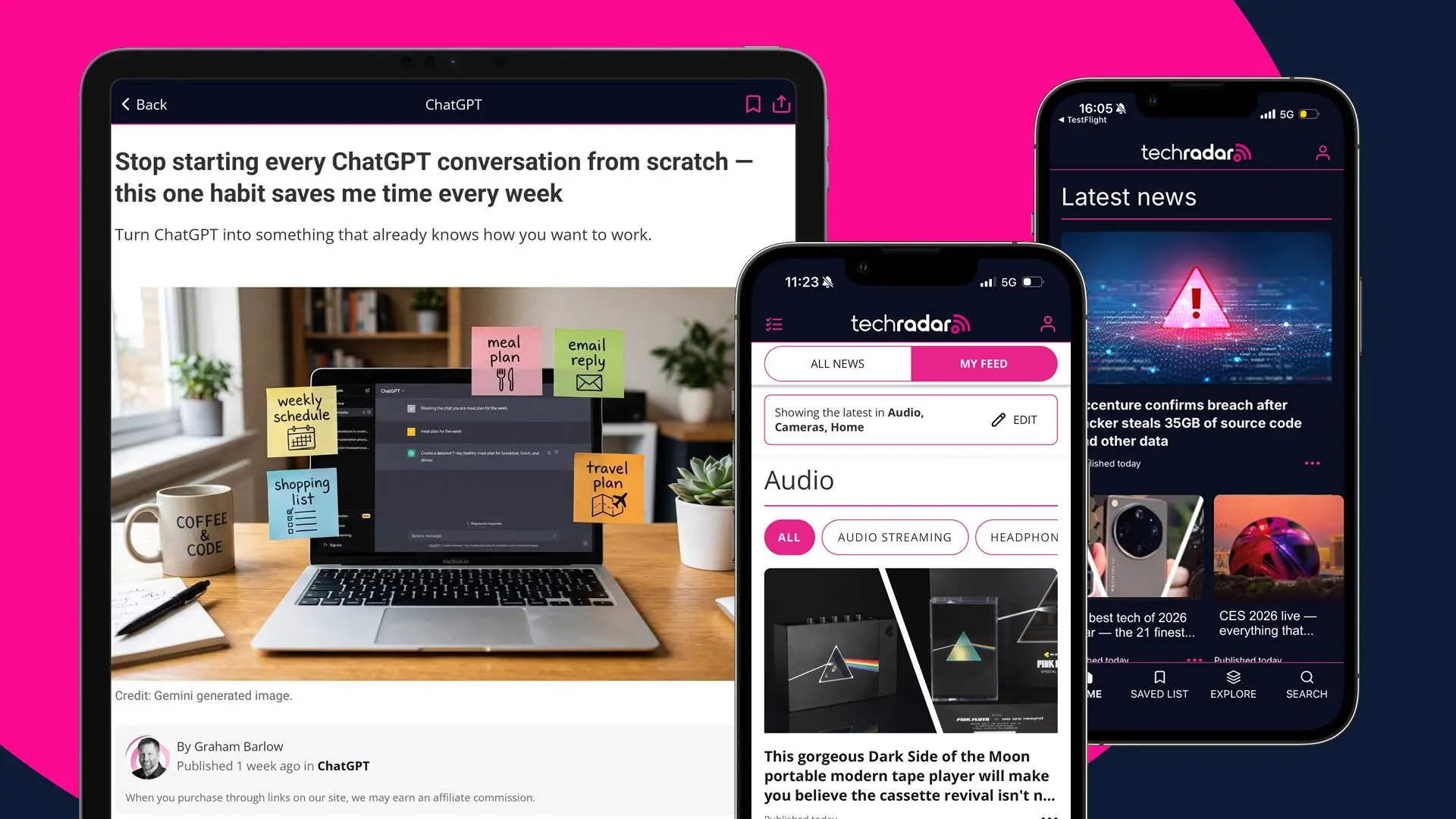
A major technology publication has launched its own mobile app, giving readers a new way to follow news, reviews, and buying advice on iOS and Android. The app is designed to make daily reading faster, more personal, and more convenient, especially for people who rely on their phones for most of their information.
Key facts at a glance
- The app is available now for iOS and Android devices.
- It is free to download and use, with optional membership features.
- Users can follow specific topics, save articles, and read offline.
- Push notifications deliver breaking news and personalized alerts.
- The app includes a dark mode and a clean, mobile-first interface.
- Membership accounts can be linked for additional benefits.
Why the launch matters
Mobile devices now account for a majority of digital news consumption. Readers expect fast load times, easy navigation, and content that fits their interests. A dedicated app can deliver those things more reliably than a mobile website, because it can store articles for offline use, send targeted alerts, and remember reading preferences without relying on a browser session.
The new app arrives as publishers increasingly compete for attention on home screens. Social feeds and search engines still drive traffic, but apps offer a direct line to readers. They also give publishers more control over the reading experience, including how articles are displayed, how ads are served, and how membership offers are presented.
What the app includes
The app offers a personalized feed that adapts to what a reader follows. When someone selects topics such as phones, laptops, smart home gadgets, or streaming services, the home screen begins to prioritize stories from those areas. The feed can also surface popular articles and editor picks, giving readers a mix of familiar and new subjects.
Topic following is built into the app from the start. Readers can browse a list of categories and tap to follow or unfollow them at any time. This makes it possible to build a custom news diet without creating a complicated account setup. The app also remembers reading history, so returning users can pick up where they left off.
Offline reading and saved articles
One of the most useful features is offline reading. Articles can be saved to a personal list and downloaded for later access. That means a reader can catch up on reviews, explainers, or buying guides during a commute, a flight, or any other time when a connection is slow or unavailable. Saved articles are stored on the device and can be removed with a single tap.
The saved list is separate from browser bookmarks, which means it works even if a reader switches devices or clears a browser cache. The app keeps the list in sync when the user is signed in, so a story saved on a phone can appear on a tablet. This kind of cross-device continuity is one of the main reasons people choose apps over mobile web.
Push notifications and alerts
Push notifications are another core part of the experience. Readers can choose to receive breaking news alerts, daily digests, or updates on specific topics. The app provides granular controls, so a person who wants only major technology news can avoid a flood of minor updates. Notifications can be paused, adjusted, or turned off entirely.
Breaking news alerts are designed to be timely but not overwhelming. The app uses a priority system that separates urgent stories from routine coverage. A major product launch or security flaw might trigger an immediate alert, while a hands-on review or opinion piece would appear in a digest instead. Users can customize these settings at any time.
Membership integration
The app also connects with the publication's membership program. Existing members can sign in to unlock benefits, while new readers can learn about membership options directly in the app. Membership features may include an ad-free experience, exclusive articles, early access to buying guides, and special offers.
For non-members, the app remains free to download and use. The free tier includes access to news, reviews, and analysis, supported by advertising. The membership option is presented as an upgrade rather than a requirement, so readers can try the app before deciding whether to pay.
Design and performance
The app was built with a mobile-first design. Text is sized for smaller screens, images load progressively, and navigation relies on simple gestures. A dark mode reduces glare in low-light settings, and the layout adjusts for tablets and larger phones. The goal is to make reading comfortable for long periods.
Performance was a priority during development. The app caches content, preloads images, and uses native scrolling to keep movement smooth. Articles open quickly, and switching between sections feels responsive. These details matter because slow apps are often deleted after a single bad experience.
Privacy and data controls
Privacy settings are included in the app. Readers can manage notification permissions, clear reading history, and control whether their data is used for personalization. The app also provides information about how data is collected and used, so users can make informed choices about their accounts.
For many readers, trust is a key factor in choosing a news app. A clear privacy policy and easy-to-find controls can help build that trust. The app does not require an account for basic reading, though signing in enables syncing and membership benefits.
Availability and device support
The app is available for download on the App Store and Google Play. It supports recent versions of iOS and Android, and it is optimized for both phones and tablets. The initial release focuses on core reading features, with more updates expected in the coming months.
Users can download the app for free. After opening it, they can choose topics, enable notifications, and browse the latest stories. Signing in is optional but recommended for readers who want to sync saved articles and access membership perks.
How it compares to mobile web
Mobile websites remain important because they are accessible from any browser and do not require an install. However, apps can offer a more consistent experience. They can store content offline, send notifications, and remember preferences more reliably. For frequent readers, the app can become the primary way to follow a publication.
Publishers often see higher engagement from app users. App readers tend to open more articles, spend more time per session, and return more often. That makes apps valuable for building a loyal audience, even if the total number of app users is smaller than the total number of website visitors.
What it means for readers
For readers, the launch adds another option for staying informed. The app is not meant to replace the website entirely. Instead, it offers a focused environment for people who want a curated stream of technology news and reviews. The personalized feed, offline saving, and notification controls are designed to reduce clutter and make reading more efficient.
Readers who follow many topics can use the app to organize their interests. Those who prefer a quieter experience can turn off most alerts and rely on the saved list. The app gives users more control over how and when they engage with content.
What it means for the publication
For the publication, the app is a strategic move. It creates a direct channel to readers, reduces dependence on third-party platforms, and opens new opportunities for membership growth. It also provides valuable data about what topics readers care about, which can inform editorial planning.
The app does not solve every challenge facing digital publishing. Competition for attention remains intense, and many users are reluctant to install new apps. But a well-designed app can deepen relationships with the most engaged readers, who are often the most likely to support membership.
Tips for getting started
New users should begin by selecting a handful of topics. Choosing too many at once can make the feed feel overwhelming. After a few days, the app will learn from reading behavior and improve recommendations. Notifications should be adjusted early, so alerts match personal preferences.
Readers who want offline access should save articles before traveling or entering areas with weak coverage. The saved list can be sorted and managed from the app. Signing in is useful for syncing across devices and for accessing membership benefits.
The broader shift to app-first news
The launch reflects a wider trend in digital media. News organizations are investing in apps because they offer a more controlled and engaging experience than mobile web. Apps can support audio, video, interactive graphics, and personalized recommendations in ways that are harder to achieve in a browser.
At the same time, apps must earn their place on a user's home screen. They need to be fast, useful, and respectful of attention. A cluttered app with too many notifications or slow load times will be removed quickly. The most successful news apps tend to be those that solve a clear problem for readers.
The new app aims to do that by focusing on reading, personalization, and convenience. It is available now, and readers can choose how much or how little they want to engage. For those who follow technology closely, it offers a streamlined way to keep up with the stories that matter most.
Source: TechRadar News