

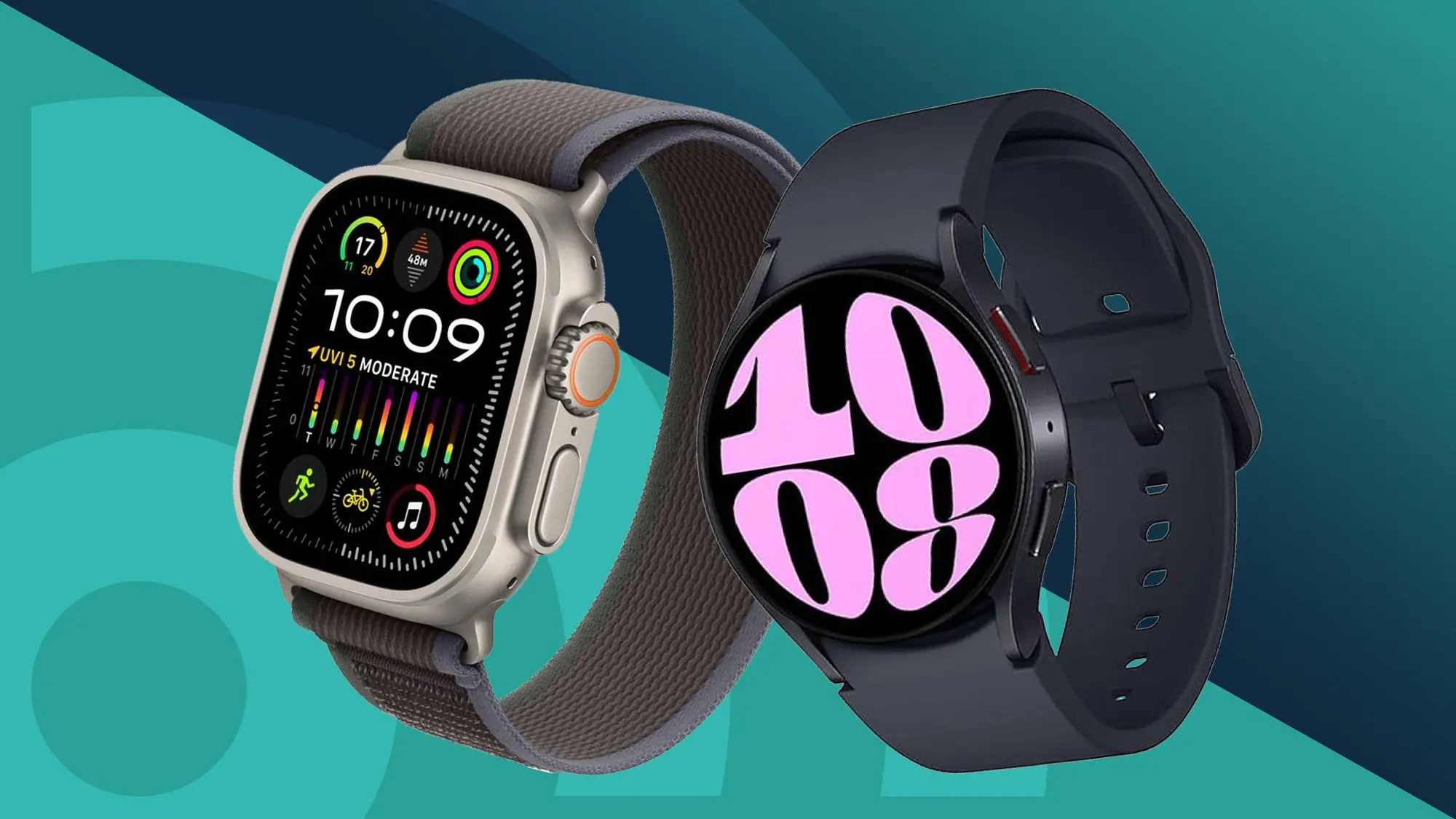
The smartwatch market in 2026 has split cleanly into two camps: watches built around a phone ecosystem, and watches built around a sport. Apple still dominates the first, Samsung and Google trade blows at the top of Wear OS, and Garmin continues to own the wrist of anyone who measures their life in training load rather than notifications. Choosing between them comes down to three questions: which phone is in your pocket, how long you want to go between charges, and how much of your health data you actually intend to act on.
This guide breaks down the best smartwatches you can buy right now, what each one does better than its rivals, and where each one still frustrates.
The best smartwatch overall: Apple Watch Series 11
For most people carrying an iPhone, the Apple Watch Series 11 remains the default answer. It is the most polished smartwatch on the market, and the gap is not marginal. The Series 11 pairs a bright always-on OLED display with the S-series chip that finally made on-device processing of health data genuinely fast, so hypertension notifications and sleep apnea detection arrive without a round trip to Apple's servers.
Why it wins
- Deepest third-party app support of any smartwatch platform, from banking to airline boarding passes
- Health sensors that have cleared regulatory review in multiple markets, including ECG and irregular rhythm notifications
- Seamless handoff with iPhone, AirPods and Apple Pay
- watchOS 26 brings a redesigned workout interface, smarter recovery metrics and better offline Siri
Where it falls short
Battery life is still the elephant in the room. Apple rates the Series 11 at roughly 18 hours of normal use and up to 36 hours in low power mode. That is a daily charge for almost everyone, and a two-day weekend trip requires planning. The Apple Watch is also a closed system: it will not pair with an Android phone at all, full stop.
Best for serious athletes: Apple Watch Ultra 3
The Ultra line exists for people who want an Apple Watch but refuse to charge it every night. The Ultra 3 pushes battery life to around 42 hours in standard use and up to 72 hours in low power mode, housed in a titanium case with a sapphire crystal and a flat display that survives rock contact without complaint.
New for this generation is satellite messaging, a feature that matters more than it sounds. Being able to send an emergency text from a trail with no cellular coverage turns the Ultra from a fitness accessory into genuine safety equipment. The action button, dual-frequency GPS and 100-metre water resistance round out a package aimed squarely at triathletes, divers and ultra runners.
The trade-off is size. At 49mm, the Ultra 3 is a large watch that looks absurd on a narrow wrist, and it costs significantly more than the standard Series 11.
Best Android smartwatch: Samsung Galaxy Watch 8
If you carry a Samsung phone, the Galaxy Watch 8 is the most coherent option available. It runs Wear OS 6 with Samsung's One UI Watch layer on top, which sounds like a compatibility headache and is not. The result is a watch that handles notifications, payments and voice assistant duties as smoothly as an Apple Watch handles them on iOS.
Samsung's standout feature remains the BioActive sensor array, which now includes a blood pressure cuff comparison mode that requires periodic calibration with a traditional cuff but then tracks trends between readings. Sleep coaching, body composition analysis and an Energy Score that rolls sleep, activity and heart rate variability into a single daily number are all present.
The rotating bezel returns on the Classic variant, and it remains the single best navigation control on any smartwatch. Battery life lands at around two days of mixed use, which is roughly double what the Apple Watch manages.
Best Google experience: Pixel Watch 4
The Pixel Watch 4 is the purest expression of Wear OS. It runs Google's software without Samsung's modifications, which means faster updates, tighter Fitbit integration and the cleanest version of Google Assistant and Gemini on a wrist.
The design keeps the signature domed glass that makes the Pixel Watch instantly recognisable, and the 2026 model finally addressed the two biggest criticisms of earlier generations: the bezels are thinner and the charging is faster. Fitbit's health platform underpins everything, covering sleep stages, readiness scores and a genuinely useful daily activity target that adapts to how recovered you are.
It is the best choice for Android users who are not on Samsung hardware, and it pairs with any modern Android phone. Like every Wear OS watch, it will not work with an iPhone.
Best battery life: Garmin Fenix 8 and Forerunner series
Nothing else in this guide comes close to Garmin on endurance. The Fenix 8 with a solar charging lens can stretch to weeks between charges in smartwatch mode, and even the Forerunner 570, aimed at runners rather than mountaineers, manages around two weeks of normal use.
Garmin's software philosophy is the opposite of Apple's. Instead of a general-purpose app store, it offers a deep, opinionated training ecosystem: training readiness, race predictions, VO2 max trends, recovery time, hill score and endurance score. For anyone following a structured training plan, that data is more useful than a hundred third-party apps.
The compromise is smartwatch polish. Notifications are functional but basic, contactless payments are supported on newer models but not everywhere, and the Garmin Pay wallet is far smaller than Apple Pay or Google Wallet. Voice assistants are limited. You buy a Garmin for the training, not the text replies.
Best budget pick: Apple Watch SE 3 and Amazfit Active 2
On the Apple side, the SE 3 delivers the core experience, notifications, fitness tracking, crash detection and the same chip family as the flagship, for a significantly lower price. You lose the always-on display, the ECG sensor and the temperature sensing, but you keep the ecosystem.
For Android users on a tight budget, the Amazfit Active 2 punches well above its price. It offers a bright AMOLED display, two weeks of battery life, dual-band GPS and a surprisingly competent sleep tracking suite. The software is rougher, the app store is thin, and the health data is not medically validated, but as a fitness-first wearable at a fraction of the cost, it is hard to argue with.
Best hybrid and fashion option: OnePlus Watch 3 and Withings ScanWatch
Not everyone wants a glowing rectangle on their wrist. The OnePlus Watch 3, with its stainless steel case and rotating crown, sits somewhere between a traditional watch and a smartwatch, and its battery life of up to five days in smart mode is exceptional for a Wear OS device. The Withings ScanWatch goes further, using a hybrid analogue face with a small embedded display and offering medically certified ECG and sleep apnea detection in a package that looks like something your grandfather would have worn.
What to look for when buying a smartwatch in 2026
- Phone compatibility: The Apple Watch only works with iPhone. Every Wear OS watch only works with Android. Garmin, Amazfit and Withings work with both.
- Battery expectations: One day, two days, one week and one month are all realistic depending on category. Decide which you can live with before you fall in love with a screen.
- Health sensor validation: ECG, blood pressure and sleep apnea features are regulated differently in every country. Check what is actually enabled where you live rather than what the marketing page promises.
- Software support window: Apple and Samsung typically provide four to five years of major updates. Budget brands often provide two or fewer.
- Display technology: Always-on AMOLED panels have largely replaced LCD, but brightness matters more than resolution outdoors. Look for at least 1,000 nits, ideally 2,000 or more.
- Case size and weight: A 49mm titanium watch weighs noticeably more than a 41mm aluminium one, and you will feel it on every run.
watchOS 26 versus Wear OS 6
The two dominant platforms have converged on similar feature sets. Both now prioritise AI-generated summaries of your day, both offer offline voice assistants, and both have redesigned their workout interfaces around recovery rather than pure output.
The meaningful differences are structural. watchOS is more consistent, has better third-party app quality and integrates more tightly with a single phone brand. Wear OS is more flexible, runs on hardware from Samsung, Google, OnePlus, Xiaomi and others, and benefits from Google's faster feature cadence. If you value polish, choose Apple. If you value choice, choose Wear OS.
Health tracking has become the real battleground
Step counts stopped being interesting years ago. What separates smartwatches in 2026 is the quality of the interpretation layered on top of raw sensor data. Apple leads on regulatory clearances, having secured approval for hypertension notifications and sleep apnea detection in the United States and a growing list of other markets. Samsung leads on raw sensor ambition, with blood pressure and body composition measurements no competitor matches. Garmin leads on training-specific analytics. Fitbit, now fully absorbed into Google, leads on sleep staging accuracy according to several independent reviews.
The practical advice is to pick the platform whose health features you will actually use. A blood pressure sensor you never calibrate is worth less than a step goal you check every morning. The best smartwatch is not the one with the longest spec sheet. It is the one that stays on your wrist after the novelty wears off, which is ultimately a question of battery life, comfort and which phone is already in your pocket.
Source: TechRadar News