

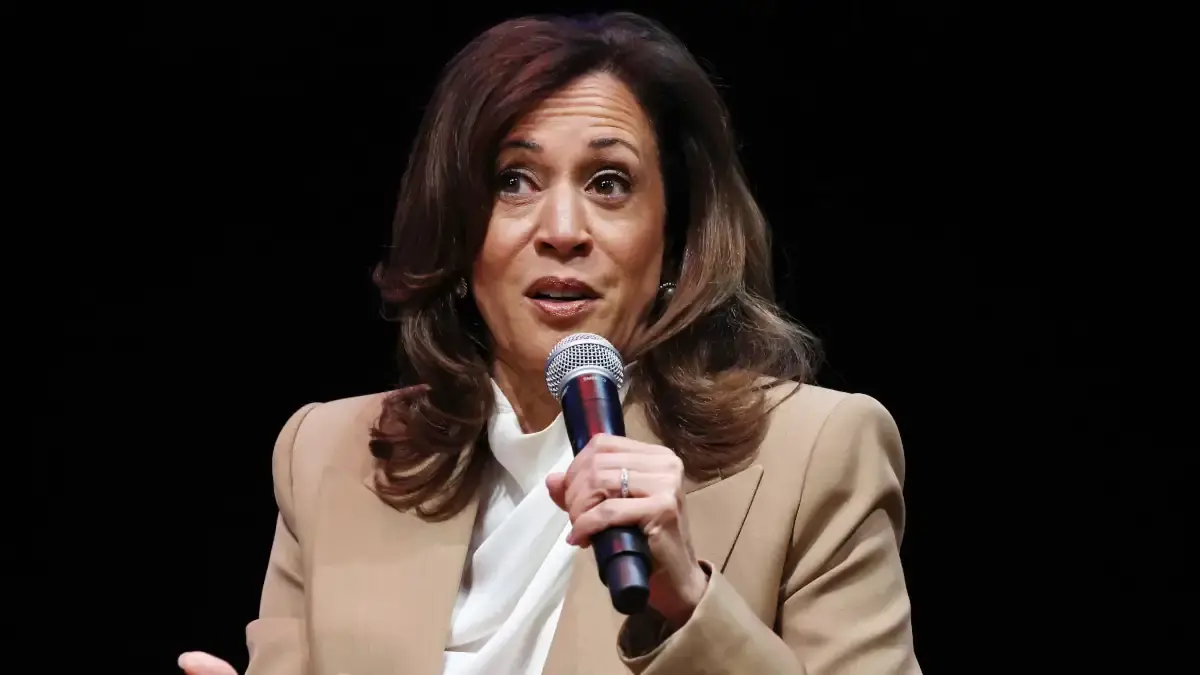
Harris's Preemptive Rebuttal
Former Vice President Kamala Harris took to social media platform X just hours before President Donald Trump's scheduled televised address on Thursday, July 16. In a blunt post that quickly amassed thousands of shares, Harris stated unequivocally: "The 2020 election was not stolen. We won, he lost." Her message served as a direct counter to the narrative Trump has promoted since his defeat, and it set the stage for what she predicted would be a speech filled with "lies and conspiracy theories." Harris's post came amid heightened tensions surrounding the president's address, which was broadcast from the White House at 9 p.m., with the heads of the CIA, FBI, as well as the Directors of National Intelligence and Homeland Security in attendance.
The timing of Harris's intervention was strategic. By preemptively addressing the issue, she aimed to frame the president's remarks as baseless attacks on democratic processes. Her statement echoed the findings of multiple federal agencies and court rulings that had already debunked the fraud allegations. Harris's role as the 2024 Democratic presidential nominee—and her subsequent defeat to Trump—added a layer of personal stakes to her rebuttal. Since losing the election in November 2024, she has become one of the most vocal critics of the Trump administration, often highlighting what she describes as a pattern of authoritarian behavior.
Trump's Address and Allegations
During his prime-time address, Trump doubled down on his claims about the 2020 election. He accused China of orchestrating "the largest data breach in American electoral history" and announced the declassification of documents that he claimed would expose vulnerabilities in the voting system. Furthermore, he described the 2020 election as "worse than in any developing country," a statement that drew sharp criticism from election security experts. Trump's rhetoric, however, did not introduce new evidence. Instead, it recycled familiar accusations that have been repeatedly dismissed by courts and independent investigations.
Former Republican Representative Juan-Carlos Planas of Florida offered an analysis of the president's motives. According to Planas, the address was less about reopening the 2020 election case and more about undermining the legitimacy of the upcoming midterm elections in November. He argued that such accusations serve to justify the SAVE America Act, a legislative proposal that would restrict the types of identification accepted for voting. Critics of the bill warn it could disenfranchise millions of voters, particularly minorities and low-income citizens who lack certain ID forms.
Background on the 2020 Election Integrity
The 2020 election remains one of the most scrutinized in American history. President Joe Biden secured 306 electoral votes to Donald Trump's 232, a margin widely considered decisive by all relevant institutions. The Cybersecurity and Infrastructure Security Agency (CISA) declared the election the most secure in U.S. history. Dozens of lawsuits filed by the Trump campaign were rejected by judges across the country, including several appointed by Trump himself. Attorney General William Barr, a Trump loyalist, stated publicly that he found no evidence of fraud on a scale that could have altered the outcome—a statement that led to his resignation.
Despite these findings, baseless fraud claims fueled the January 6, 2021, attack on the U.S. Capitol, where supporters of Trump attempted to obstruct the certification of Biden's victory. Investigations by the House Select Committee documented the pressure placed on state officials and the Department of Justice to overturn the results. The committee's final report concluded that Trump was ultimately responsible for the insurrection. In the years since, Trump has continued to amplify these claims, maintaining a firm grip on a significant portion of the Republican base.
Kamala Harris's career has been deeply intertwined with these events. As a former prosecutor and senator from California, she rose to national prominence during her 2020 presidential campaign before being selected as Biden's running mate. She served as Vice President from 2021 to 2025, overseeing initiatives on voting rights, immigration, and economic recovery. Her 2024 campaign centered on preserving democratic institutions, and her loss to Trump was marked by a narrow electoral college margin—233 to 270—that left many Democrats questioning the electoral system itself.
Political Implications for the Upcoming Midterms
Senator Mark Warner, a Democrat from Virginia, took to social media to accuse the president of attempting to interfere with the midterm elections. He urged voters to fact-check the president's statements before believing them. Warner's comments reflect a broader concern among Democrats that Trump's continued focus on 2020 could depress voter turnout or sow confusion about the integrity of future elections. The SAVE America Act has become a flashpoint in this debate. Supporters argue it is necessary to prevent voter fraud, while opponents see it as a modern-day poll tax.
The midterm elections, scheduled for November, are expected to be challenging for Republicans. The Trump administration faces economic headwinds, including rising inflation and the ongoing conflict with Iran. The blockade of the Strait of Hormuz has disrupted global oil markets for weeks, contributing to higher fuel prices and discontent among voters. Immigration has also emerged as a central issue, with record numbers of crossings at the southern border straining local resources. These factors could create a difficult environment for incumbent Republicans, even as they try to rally their base around the fraud narrative.
Harris's public criticism of the administration has been relentless. She denounced Trump's State of the Union address in February as "hollow and full of lies," and she continues to use her platform to advocate for voting rights and democratic norms. Her latest X post fits this pattern, serving both as a factual correction and a rallying cry for her supporters.
Broader Context of Tensions
The Thursday address unfolded against a backdrop of international and domestic crises. The U.S. military presence in the Middle East has grown amid tensions with Iran, and the Strait of Hormuz blockade has pushed oil prices to levels not seen since the 2008 financial crisis. Domestically, the economy is struggling under the weight of persistent inflation, with the Federal Reserve raising interest rates aggressively to curb price increases. These pressures have eroded public confidence in the administration's economic stewardship.
Meanwhile, the Republican Party remains deeply divided. While Trump's loyalists embrace his election fraud claims, a small but vocal group of moderates has urged the party to move on and focus on policy issues. The outcome of the midterms will likely determine the future direction of the GOP. For Democrats, the stakes are equally high: regaining control of Congress could enable them to block the SAVE America Act and other controversial measures. Harris's statement underscores the enduring power of the 2020 election as a political weapon, even years after the ballots were counted.
Source: La Nouvelle Tribune News