

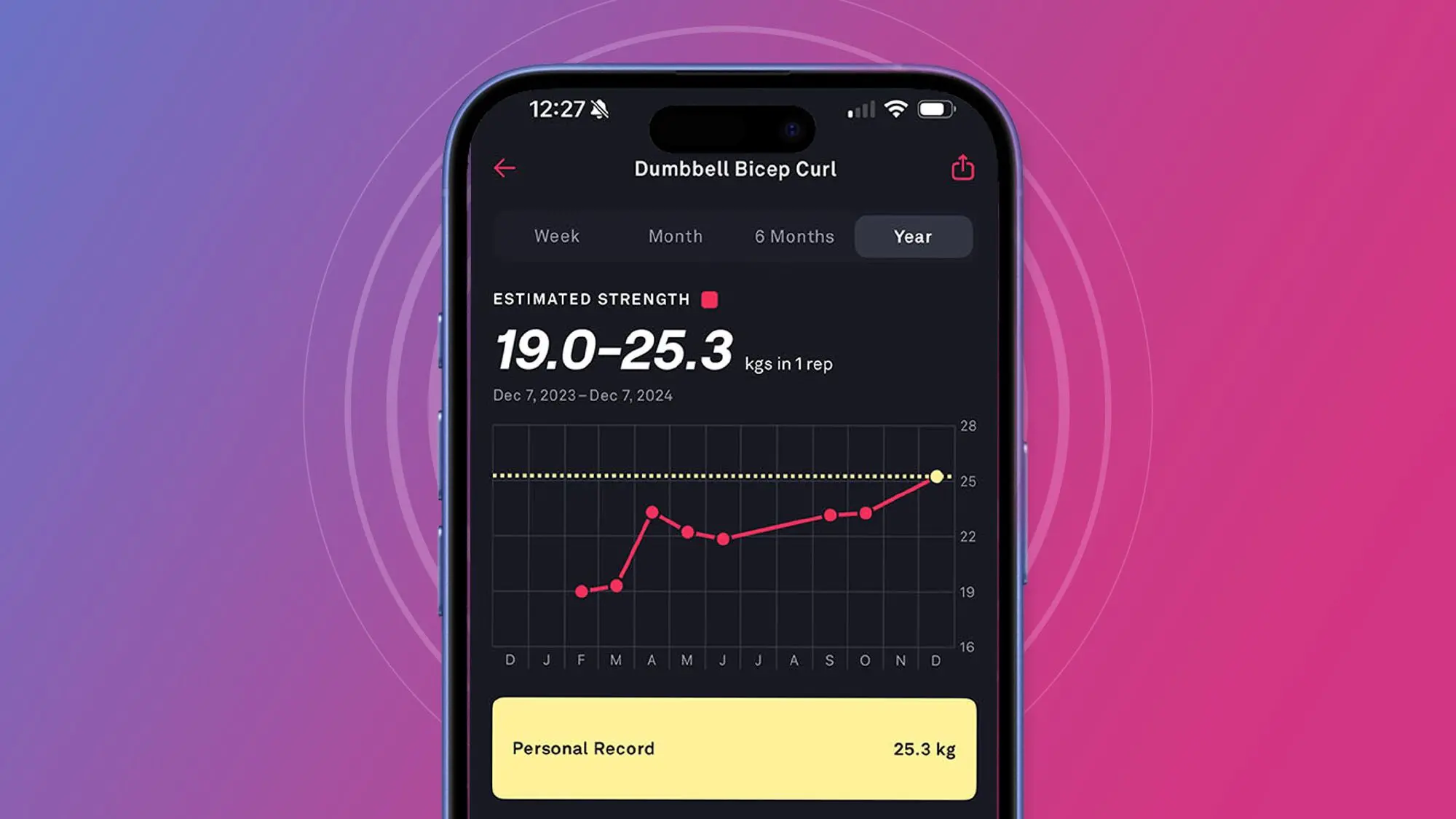
The fitness industry has long been dominated by generic workout programs and one-size-fits-all routines. But according to Jesse Ventura, founder of the popular AI-driven fitness app Fitbod, that era is coming to an end. In a recent interview, Ventura explained that the modern consumer demands more than just instructions – they want to understand the reasoning behind each exercise and how it contributes to their specific goals. This shift toward contextual, personalized fitness is at the heart of the AI fitness boom.
Fitbod, founded in 2015, was among the first apps to leverage artificial intelligence for workout creation. Unlike traditional apps that offer static routines, Fitbod uses machine learning algorithms to analyze a user's past performances, available equipment, body metrics, and recovery levels to generate unique daily workouts. The app adapts in real time, increasing or decreasing volume and intensity based on user feedback. Ventura notes that this level of customization was previously impossible without a human personal trainer. Now, AI can replicate – and in some ways surpass – that personalized touch at scale.
The Demand for Transparency
Ventura points out that the biggest change in consumer behavior is the demand for transparency. "It's no longer enough for an app to tell you to do three sets of bench press. People want to know why bench press is recommended today, how it fits into their weekly split, and why they should use a specific rep range," he said. This desire for understanding is driving a new class of fitness apps that not only prescribe but also educate. Fitbod includes detailed exercise descriptions, instructional videos, and notes on muscle activation. The app explains why each exercise is chosen based on the user's weak points and goals, such as strength, hypertrophy, or endurance.
This educational component is especially important for beginners who often feel intimidated by gym equipment. By explaining the science behind movements, Fitbod helps build confidence and knowledge. Ventura believes that informed users are more likely to stick with their routines, leading to better long-term results. The AI also tracks progress over time and adjusts the difficulty curve to prevent plateaus.
The AI Fitness Ecosystem
Fitbod is part of a larger wave of AI fitness applications that have emerged in the past few years. Companies like Tonal, Mirror (now Lululemon Studio), and Tempo use AI and computer vision to correct form and suggest modifications. Meanwhile, platforms like MyFitnessPal and WHOOP use machine learning to analyze nutrition and recovery. What all these have in common is their reliance on data to provide personalized recommendations.
Ventura explains that the AI fitness boom was accelerated by the pandemic, when millions of people started working out at home. The need for virtual coaching and adaptive programming became critical. "Suddenly, everyone wanted a gym in their living room, but they still wanted the guidance of a personal trainer. AI filled that gap," he said. Fitbod saw a surge in subscribers during 2020 and has continued to grow as people seek hybrid fitness solutions.
The key differentiator for Fitbod is its focus on weight training and progressive overload. While many AI apps focus on bodyweight workouts or yoga, Fitbod is designed for those who lift weights. The app integrates with Apple Watch and other wearables to factor in heart rate and calorie burn. It also allows users to customize their equipment from a full gym to just a set of dumbbells. The AI then creates workouts that maximize the available equipment, ensuring no muscle group is neglected.
Behind the Algorithm
Developing the AI for Fitbod required extensive research in sports science and machine learning. Ventura and his team worked with exercise physiologists to create a model that mimics the decision-making process of a human coach. The algorithm considers over a dozen variables, including muscle recovery time, exercise history, competition between exercises (e.g., not doing two heavy compound lifts back-to-back), and the principle of periodization. It even factors in subjective feedback like how a user rates their energy level that day.
One innovative feature is the "muscle recovery" chart, which shows users which muscles are fresh and which are still recovering from previous workouts. This visual helps users understand why the AI is recommending certain exercises. For instance, if chest and triceps are still sore, the app might suggest a shoulder and bicep day instead. Ventura says this transparency builds trust. "Users can see the logic, and they can override it if they want. But most find that the AI's suggestions lead to better results," he said.
The AI also learns from the entire user base through federated learning, improving its recommendations for everyone while maintaining privacy. Ventura notes that this collective intelligence is what separates Fitbod from a simple database of workouts. "Every time a user completes a workout and logs their weights or reps, the model gets smarter. It's a virtuous cycle," he explained.
The Future of AI in Fitness
Looking ahead, Ventura sees AI becoming even more integrated into daily routines. He predicts that future versions of Fitbod will incorporate nutrition tracking, sleep data, and stress levels to provide a holistic fitness experience. "We're working on a feature that will adjust your workout based on your sleep quality from the night before. Poor sleep could mean lower intensity, while rested days might call for a PR attempt," he revealed. Additionally, computer vision could eventually analyze exercise form in real time, offering corrections without a camera-based system.
However, Ventura cautions that technology should never replace the human element entirely. "AI is a tool to augment coaching, not replace it. The best results come from combining data with human judgment," he said. Fitbod allows users to request a personal trainer to review their program, blending human expertise with AI efficiency. This hybrid model is likely to become the standard in fitness.
The broader implications of AI in fitness extend beyond individual apps. Gyms are starting to use AI to offer personalized recommendations to members based on their check-in history and equipment usage. Wearable companies are integrating AI to provide actionable insights rather than just raw data. Even sports teams use AI to design training camps and recovery protocols. Ventura believes that within a decade, AI-driven fitness will be the norm, and static programs will be seen as archaic.
One of the biggest challenges remains user engagement. While AI can design perfect workouts, it cannot force people to show up. Fitbod addresses this through gamification and social features, such as challenges and leaderboards. Ventura explains that motivation is still a very human problem, and AI can help by reducing friction. "If you know that your workout will be exactly right for you today, with no wasted time, you're more likely to do it. That's what we aim for," he said.
The founder also stressed the importance of accessibility. Fitbod offers a free tier with basic features and a subscription for full AI customization. The goal is to make personal training affordable for everyone. "A human trainer costs $50-100 per session. Our app costs less than a monthly gym membership," Ventura pointed out. This democratization of fitness expertise is a key driver of the AI fitness boom.
As more people become aware of the benefits of personalized training, the market is expected to expand rapidly. Industry analysts project that the AI fitness market will surpass $10 billion by 2026. Fitbod is well-positioned to capture a large share, having already built a loyal user base of over one million subscribers. The company continues to invest in research and development, recently hiring more data scientists and sports scientists.
In closing, Ventura emphasized that the ultimate goal is to help people achieve results they previously thought impossible. "We're not just building an app; we're building a coaching system that learns and grows with you. That's the power of AI," he said. The fitness journey is no longer a solitary path but a guided experience powered by data and intelligence.
Fitbod's success story mirrors the broader trend of AI integration into everyday life. From recommendation engines to autonomous vehicles, AI is making decisions more personalized and efficient. In fitness, the impact is particularly profound because it touches on health and well-being. As Ventura aptly put it, "People want to know why, and AI can give them the answer."
Source: TechRadar News