

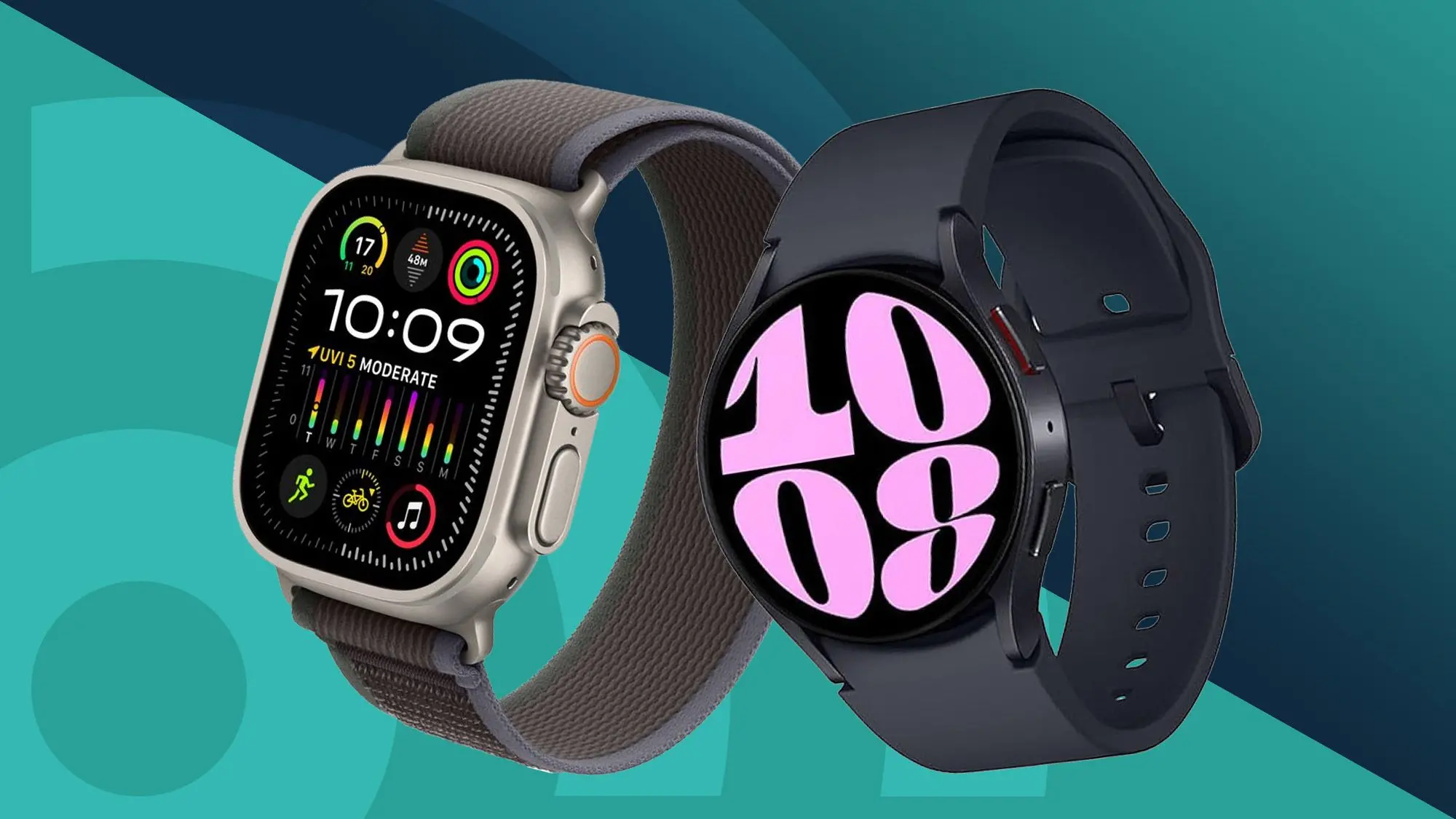
The smartwatch has transformed from a simple notification mirror into an indispensable health hub, personal assistant, and fashion accessory. In 2026, the market is more competitive than ever, with each major player pushing the boundaries of sensor accuracy, battery longevity, and AI-driven insights. Whether you're an athlete tracking every metric, a busy professional managing your day, or someone simply looking to improve their wellness, there's a wearable that fits your wrist and your life. This comprehensive guide covers the best smartwatches and fitness trackers available in 2026, highlighting what sets them apart and helping you make an informed decision.
The Evolution of Smartwatches: A Quick Background
The journey from basic step counters to today's advanced wearables is a story of relentless innovation. Early models like the Pebble and the first Android Wear devices focused on notifications and basic fitness. The introduction of the Apple Watch in 2015 set a new standard for health sensors, with heart rate monitoring and later ECG, blood oxygen, and temperature sensing. By 2026, features like continuous glucose monitoring (non-invasive), stress level analysis using galvanic skin response, sleep apnea detection, and even hydration tracking have become common in premium models. Battery life has also seen a revolution: manufacturers have adopted more efficient chipsets (like the Apple S10 and Qualcomm Snapdragon Wear Gen 4) combined with larger cells and solar charging in some outdoor watches, allowing multi-day usage without compromise. The operating system wars have largely settled, with watchOS, Wear OS (now deeply integrated with Google and Samsung), and Garmin's proprietary OS each serving distinct ecosystems.
Apple Watch Series X: The iPhone User’s Ultimate Companion
Apple’s 2026 flagship, the Series X (marking the tenth anniversary), is a masterpiece of wearable engineering. It features a larger, edge-to-edge micro-LED display that is brighter and more power-efficient than ever. The health suite has been expanded with a new non-invasive blood glucose sensor that provides trend data, a boon for diabetics and health-conscious users. The S10 SiP delivers lightning-fast performance, making app launches and Siri interactions instantaneous. Battery life finally reaches 36 hours with always-on display, a major leap. WatchOS 11 introduces proactive health coaching, using machine learning to suggest breathing exercises, hydration reminders, and sleep schedule adjustments based on your daily patterns. For fitness, the Series X offers enhanced GPS accuracy with multi-band support, automatic workout detection for over 100 activities, and a new running form analysis feature that measures cadence, stride length, and ground contact time. The only downside is its compatibility: it requires an iPhone, locking out the vast Android user base. But for Apple fans, there is no better smartwatch.
Samsung Galaxy Watch Ultra 2: The Durable Android Powerhouse
Samsung continues to dominate the Android smartwatch space with the Galaxy Watch Ultra 2. This model builds on the ruggedness of its predecessor, featuring a titanium case, sapphire crystal display, and an IP68/10ATM water resistance rating that makes it suitable for deep-sea diving and extreme sports. The new BioActive Sensor 2.0 adds body composition analysis (muscle/fat ratio), advanced sleep coaching with sleep apnea detection (FDA-cleared), and an improved heart rate sensor for high-intensity interval training. Wear OS 5 powered by One UI Watch offers a smooth, intuitive experience with deep integration into the Google ecosystem—Google Assistant, Maps, Wallet, and the Play Store with thousands of apps. Battery life is impressive: up to 80 hours in typical use, and 100 hours in power-saving mode. The rotating bezel makes a comeback (now digital but with haptic feedback), providing tactile navigation. For Android users who want a premium, durable watch that can handle everything from a marathon to a mountain climb, the Galaxy Watch Ultra 2 is the clear winner.
Google Pixel Watch 4: The AI-Powered Fitness Companion
Google’s fourth-generation Pixel Watch finally delivers on the promise of deep AI integration. Powered by the Tensor W4 chip, it brings real-time health and fitness analysis based on Google’s massive data sets. The Fitbit integration is now seamless: the watch offers a daily readiness score, stress management tools, and personalized workout recommendations. The design is sleek with a domed glass face and a stainless steel body, available in multiple sizes. The new feature is the “Fitbit Coach Live,” which uses the watch’s speaker and haptics to guide you through workouts with real-time form corrections. The Pixel Watch 4 also includes fall detection and emergency SOS, plus the ability to share health data with your healthcare provider via the Health Connect platform. Battery life has improved to 48 hours with moderate use, and the fast charging gives you 12 hours of use from just 10 minutes of charging. The main drawback is that it works best with a Pixel phone, though it supports other Android devices with some limitations. For those invested in the Google ecosystem and prioritizing AI-driven health insights, this watch is a compelling choice.
Garmin Fenix 8: The Ultimate Endurance Sports Watch
Garmin remains the king of outdoor and multisport watches, and the Fenix 8 is the pinnacle. It features a 1.5-inch AMOLED display (a first for the Fenix line) with optional solar charging for extended battery life—up to 40 days in smartwatch mode with solar, and 120 hours in GPS-only mode. It includes all the sensor trimmings: multi-band GNSS with SatIQ, a heart rate monitor that works under water, a barometric altimeter, a compass, and a thermometer. New to the Fenix 8 is the “Endurance Score,” a dynamic metric that combines your training load, recovery status, and sleep quality to estimate your overall endurance capacity. It also introduces real-time stamina tracking during activities, showing you how much energy you have left in the tank. For triathletes, the watch supports multi-sport profiles and automatic transitions. Navigation is top-notch with topographical maps, turn-by-turn directions, and the ability to create and follow routes directly on the watch. The Fenix 8 is heavy and expensive, but for serious endurance athletes and adventurers, it is unmatched.
Garmin Vivoactive 5: Balanced Fitness and Lifestyle
For those who want Garmin’s robust tracking but don’t need the Fenix’s extreme features, the Vivoactive 5 is the sweet spot. It has a sleek, lightweight design with a 1.3-inch AMOLED display and a comfortable silicone band. It includes all the basic health metrics: heart rate, sleep score, stress tracking, and body battery. The Vivoactive 5 also offers built-in GPS, over 50 workout modes, and animated on-screen workouts for strength, yoga, and cardio. A standout feature is the “Body Energy” monitoring, which uses heart rate variability to give you a holistic view of your energy levels throughout the day. The watch supports Garmin Pay for contactless payments and provides smartphone notifications (though you cannot reply on Android). Battery life is about 11 days in smartwatch mode and 19 hours in GPS mode. It’s a fantastic all-arounder for everyday fitness enthusiasts and casual runners.
Fitbit Charge 6: The Slim Fitness Tracker with Smarts
Fitbit, now part of Google, continues to refine its popular Charge line. The Charge 6 is a slim fitness tracker (not a full smartwatch) that packs impressive health features. It includes an ECG app for atrial fibrillation detection, a SpO2 sensor, skin temperature tracking, and a new stress management score based on electrodermal activity. It uses Google services for maps, wallet, and YouTube Music controls. The battery lasts up to 7 days on a single charge. While it lacks a color display for apps and notifications are limited, for pure health tracking in a discreet form factor, the Charge 6 is excellent. It is also one of the most affordable options from a trusted brand.
Whoop 5.0: The Subscription-Based Recovery Coach
Whoop has carved a niche by focusing entirely on recovery and strain rather than notifications or app stores. The Whoop 5.0 is a strap-only device (no screen) that you wear 24/7. It measures heart rate, heart rate variability, respiratory rate, blood oxygen, and skin temperature. Its algorithm calculates a daily strain score and a recovery score, guiding you on how hard to train. In 2026, Whoop introduced a built-in haptic alarm that wakes you at the optimal time during your sleep cycle. The new “Performance Coach” feature uses AI to suggest specific workouts and rest days based on your historical data. The subscription model ($30/month or $239/year) provides access to a rich web dashboard and community challenges. The Whoop 5.0 is popular among professional athletes and serious fitness enthusiasts who prioritize data over convenience. Without a screen, it saves your smartphone battery but requires you to rely on your phone for time and notifications.
Amazfit T-Rex 3: The Budget Outdoor Hero
Amazfit continues to offer impressive value with the T-Rex 3. This rugged smartwatch is MIL-STD-810G certified for shock, dust, and temperature extremes, and water-resistant to 10 ATM. It boasts a 1.4-inch AMOLED display with high brightness (1000 nits) and a massive 550mAh battery that lasts up to 18 days in typical use and 40 days in basic watch mode. GPS accuracy has been improved with five satellite systems. Health sensors include heart rate, SpO2, sleep monitoring, and a new stress analysis tool. The Zepp app provides detailed insights and AI-powered coach recommendations. While the software isn’t as polished as Garmin’s and the app ecosystem is limited, for the price – around $200 – the T-Rex 3 is unbeatable for hikers and outdoor enthusiasts on a budget.
Polar Vantage V4: Precision Training for Endurance Athletes
Polar has long been favored by endurance athletes for its accurate heart rate tracking and training load analysis. The Vantage V4 features Polar’s Precision Prime sensor fusion technology, which combines optical heart rate with ECG electrodes and a proximity sensor for the most accurate reading even in cold conditions. It includes running power directly from the wrist, new cycling dynamics, and a comprehensive recovery test that assesses your readiness after a workout. Battery life is up to 7 days in training mode and 40 hours with GPS. The new “Training Pressure” metric helps you avoid overtraining. Polar’s ecosystem may not be as broad as Garmin’s, but for runners, cyclists, and swimmers looking for deep physiological insights, the Vantage V4 is a serious contender.
Key Features to Consider When Buying a Smartwatch in 2026
With so many options, narrowing down the best smartwatch for you depends on your priorities. Here are the critical factors to evaluate:
- Operating System Compatibility: Apple Watch works only with iPhone. Samsung and Google watches work best with Android, with some features limited on iOS. Garmin, Fitbit, and Amazfit work with both but may sacrifice some functions.
- Health Sensors: Beyond basic heart rate, consider ECG, blood oxygen, skin temperature, stress (EDA), and the new non-invasive glucose monitors (available on Apple and Samsung flagships).
- Battery Life: Full smartwatches typically last 1-3 days. Fitness trackers and outdoor watches can last 1-4 weeks. Solar charging is a plus for extended adventures.
- Display and Durability: AMOLED screens offer vibrant colors but consume more power. Always-on displays are now standard. For rugged use, look for sapphire crystal and titanium or stainless steel cases.
- GPS Accuracy: Multi-band GPS (L1+L5) is standard on premium watches for trail running and city canyons. For basic jogging, single-band GPS suffices.
- AI and Smart Features: Voice assistants (Siri, Google Assistant, Bixby), offline music storage, contactless payments, and app stores vary widely. Some watches now include generative AI for coaching and insights.
- Price: Prices range from $100 for basic trackers to $1000+ for premium multisport watches. Set a budget that matches your feature requirements.
The Future of Wearable Tech: What’s Next After 2026
The smartwatch industry shows no signs of slowing down. In the coming years, we can expect blood pressure monitoring without calibration, sweat analysis for hydration and electrolyte balance, and even non-invasive blood alcohol testing. Battery technology may shift toward solid-state or graphene-based cells for faster charging and longer life. Integration with augmented reality glasses and other IoT devices will deepen. Smartwatches are also becoming key tools for clinical research and remote patient monitoring, bridging consumers and healthcare providers. As AI continues to evolve, your watch will not only track your health but predict and prevent potential issues, offering personalized recommendations in real time.
Choosing the best smartwatch in 2026 ultimately comes down to aligning the device’s strengths with your lifestyle. Apple users have an obvious choice in the Series X. Android users should weigh the Samsung Galaxy Watch Ultra 2 for durability, the Pixel Watch 4 for AI integration, or the Garmin Fenix 8 for extreme sports. For those who prefer a lighter, more affordable option, the Garmin Vivoactive 5 or Amazfit T-Rex 3 deliver excellent value. And for pure recovery and training data, the Whoop 5.0 remains peerless. No matter which you choose, the smartwatch on your wrist today is more powerful and insightful than ever before, truly earning its place as the most personal piece of tech you own.
Source: TechRadar News