

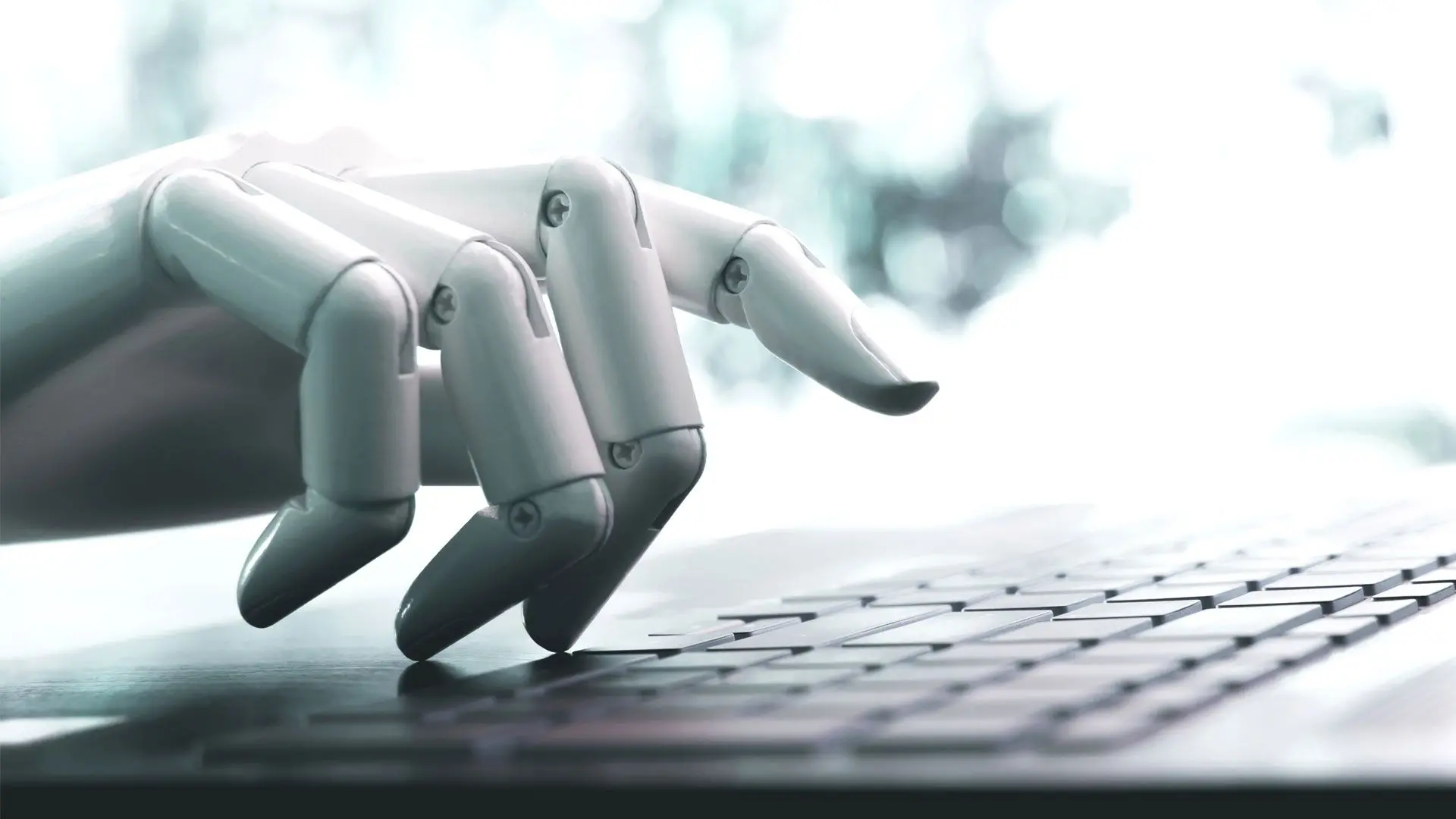
The job market has never been more competitive, and with the rise of generative AI tools like ChatGPT, many job seekers are turning to algorithms to help them craft the perfect resume. But professional CV writers are now warning against this trend, insisting that the very things that make a resume stand out—the personal details, the unique narrative, the authentic voice—are exactly what gets lost when a machine does the writing.
“What makes a CV stand out is the personal touch you add to it,” says veteran CV writer Marta Johansson. “AI can give you structure and keywords, but it cannot tell your story. And hiring managers are looking for a story, not just a list of skills.”
The Allure of AI-Generated Resumes
With unemployment rates fluctuating and industries shifting rapidly, job seekers are under enormous pressure to produce application materials that grab attention quickly. AI tools promise to save time, eliminate grammar errors, and optimize for applicant tracking systems (ATS). Indeed, many candidates have found that AI can generate a passable first draft in seconds—far faster than agonizing over every bullet point.
However, the convenience comes at a cost. According to a 2023 survey by ResumeLab, nearly 40% of HR professionals said they can spot an AI-generated resume within seconds. Common giveaways include generic phrasing, overused buzzwords, and a lack of concrete, personal achievements. “When every bullet point reads like a template, it’s obvious,” says recruiter James Okafor. “I’m looking for evidence that this person actually did the work, not that they can prompt a chatbot.”
The Shortcomings of AI in Capturing Human Experience
Professional CV writers point out that a resume is more than a list of duties; it is a marketing document that highlights your unique value proposition. AI models trained on millions of resumes tend to produce average, safe language that fails to differentiate the candidate. For example, an AI might write “Increased sales by 15%” based on a prompt, but it won’t capture the context—the struggling team you turned around, the innovative strategy you devised, or the client relationships you built.
“The personal touch is about showing, not just telling,” notes career coach Elena Rossi. “It’s the difference between saying ‘Managed a team’ and saying ‘Led a team of five through a major software transition, reducing downtime by 30% while maintaining team morale.’ AI cannot generate that level of specificity unless you feed it very detailed prompts, and by then, you’re doing most of the thinking anyway.”
How AI Resumes Can Backfire
Beyond lacking personality, AI-generated resumes can introduce factual errors and even fabricated details. Because large language models occasionally “hallucinate,” they may invent job titles, dates, or achievements that seem plausible but are false. A candidate who submits such a resume risks being caught in a background check or interview follow-up, damaging their credibility.
“I’ve seen resumes that included projects that never happened,” says Johansson. “One candidate claimed to have led a team at a company he’d never worked for. The chatbot had confused similar names. It was a nightmare to fix.” Such mistakes can be especially harmful for positions requiring high trust, such as finance or healthcare.
The Importance of Tailoring and Authenticity
Another reason CV writers discourage AI use is that effective resumes must be tailored to each specific job. While AI can help rephrase content, it often fails to capture the nuances of the role and the company culture. A generic AI resume might look competent, but it won’t signal that you truly understand the employer’s needs.
“Hiring managers want to see that you’ve done your homework,” says Okafor. “If I see a resume that mentions my company’s recent product launch or our core values, I know that person has put in the effort. AI can’t do that research for you in a meaningful way—at least not yet.”
What Professional CV Writers Recommend Instead
So, if not AI, what should job seekers do? The experts suggest a hybrid approach: use AI as a brainstorming tool or a grammar checker, but never as the primary writer. Start by outlining your key achievements and the stories you want to tell. Ask yourself: What made you successful in each role? What problems did you solve? How did you collaborate?
Then, write a first draft in your own voice, even if it’s messy. Focus on measurable results and concrete examples. Use action verbs, but avoid clichés like “results-oriented” or “team player” unless you can back them up with evidence. After you have a human-written draft, you can run it through an AI tool to polish grammar or suggest alternative phrasings—but always review and edit the output carefully.
“The best resumes are the ones that feel like they were written by a real person who cares about the job,” says Rossi. “An AI can mimic that, but it can’t replicate the authenticity that comes from genuine experience. If you rely on AI, you may get an interview, but you’ll struggle in the interview because you won’t have a deep connection to the words on the page.”
The Future of AI in Job Applications
Despite their warnings, CV writers don’t foresee AI disappearing from the hiring process. In fact, many companies now use AI to screen resumes before a human ever sees them. That means your resume must be both ATS-friendly and human-appealing—a balance that is difficult to achieve with AI alone.
“Job seekers need to understand that AI is a tool, not a replacement for their own effort,” Johansson explains. “If you use it wisely—for brainstorming keywords, checking readability, or generating sections for different industries—it can be helpful. But if you treat it like a magic wand, you’ll end up with a resume that looks like everyone else’s.”
Moreover, some experts predict that as AI-generated resumes become more common, hiring managers will place even greater value on originality. “In five years, the ability to write your own resume might become a signal of critical thinking and dedication,” says Okafor. “It will be a differentiator, just like now a handwritten thank-you note can set you apart.”
Practical Steps to Add Your Personal Touch
To help job seekers avoid the AI trap, CV writers recommend these strategies:
- Start with a story. Think of your career as a narrative. What is the arc? What challenges have you overcome? Weave this into a summary at the top of your resume.
- Use specific numbers and outcomes. Instead of saying “improved efficiency,” say “reduced processing time by 20% over six months, saving the department $50,000 annually.”
- Include volunteer work, side projects, or relevant hobbies. These can reveal personality and transferable skills that AI would typically ignore.
- Customize each resume. Research the company and the role, and tailor your achievements to match the job description. Use the same language they use.
- Get feedback from humans. Ask a trusted colleague, mentor, or professional CV writer to review your draft. They can spot blind spots and help you highlight your best qualities.
Why the Personal Touch Matters More Than Ever
The job application process is fundamentally human. It is about connection, trust, and fit. While AI can help you clear the first hurdle, it cannot build the relationship that leads to a job offer. The hiring manager wants to know if you will fit into the team, share their values, and bring something unique to the table. A resume that reads like a product catalog fails to convey that.
“A resume is not just a document; it’s an introduction,” concludes Rossi. “When you let AI write it, you’re essentially letting a stranger introduce you. No one knows your story better than you. And that story—complete with your voice, your passion, and your personality—is what will ultimately land you the job.”
As the debate over AI in hiring continues, one thing is clear: the candidates who invest time in authentic, personalized resumes will always have an edge. The technology may change, but the value of human storytelling remains constant.
Source: TechRadar News