

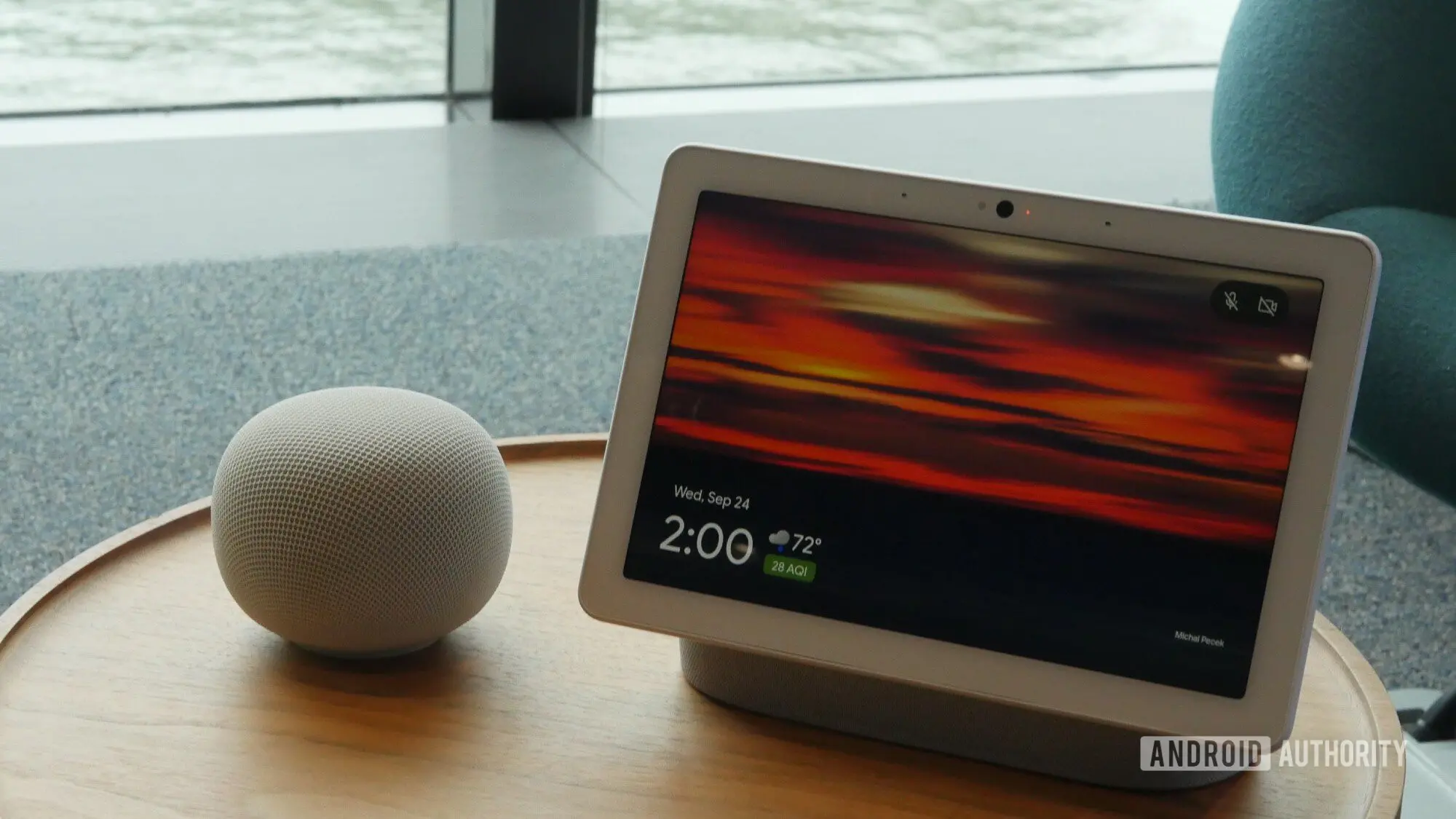
Smart home technology has become an integral part of modern life, with voice assistants like Google Home handling everything from setting timers to controlling lights. However, earlier this week, many users encountered a frustrating problem: their Google Home devices were taking an unusually long time to respond or simply timing out. The issue, reported widely on Reddit and other forums, sparked concern and speculation about what might be causing the delays.
On [date reference], Google's Nest Community account posted an update in the Reddit thread where users first reported the disruption. The statement read: "We’re aware of an issue causing increased latency or timing out. We are working on a fix ASAP and will circle back once this is resolved. Thanks for your patience." This acknowledgment was reassuring, but the lack of a specific timeline or root cause left many users anxious.
The problem appeared to affect a wide range of Google Home devices, including speakers, displays, and smart hubs. Users reported that voice commands took anywhere from 30 seconds to over a minute to execute, or sometimes never completed at all. For those relying on these devices for daily routines—like turning off lights, checking weather, or playing music—the delays disrupted their entire workflow. One user on Reddit described the experience as "unbearably slow," while another noted that the issue had persisted for several days without improvement.
Google Home, part of the broader Nest ecosystem, processes commands through cloud-based servers. This means that any backend disruption—whether due to server overload, software bugs, or network issues—can directly impact performance. The current latency problem is reminiscent of similar outages in the past, such as a 2021 incident where Google Home devices stopped responding due to a certificate error. That issue was resolved after Google pushed an automatic update. In this case, the company has not yet identified the exact cause, but the promise of a fix suggests that it is likely a server-side issue rather than a local device problem.
It's worth noting that this disruption occurs alongside the rollout of Gemini integration into Google Home. Gemini, Google's new AI model, is designed to enhance natural language understanding and improve response accuracy. However, the transition to new AI infrastructure can sometimes introduce unforeseen bugs. While there is no official confirmation that Gemini is linked to the delays, the timing is suspicious. Some users speculate that the backend changes required for Gemini could be straining Google's servers, leading to slower processing times.
Despite the inconvenience, the community response has been measured. Many users expressed appreciation for Google's prompt acknowledgment on Reddit, which stands in contrast to other companies that remain silent during service disruptions. However, a vocal minority demanded more transparency, asking for estimated fix timelines and compensation for the inconvenience. Google has not yet responded to these requests.
For those still experiencing issues, Google recommends basic troubleshooting steps: restarting the device, checking Wi-Fi connectivity, and ensuring the Google Home app is up to date. While these steps can occasionally resolve minor glitches, they are unlikely to fix a server-side problem. Users are advised to wait for the official fix and monitor the Google Nest Help forum for updates.
Looking ahead, this incident highlights the fragility of cloud-dependent smart home systems. As more devices rely on internet connectivity, a single server outage can render an entire ecosystem near-useless. It also underscores the importance of redundancy and offline fallback modes. While Google's AI capabilities are impressive, they must be backed by reliable infrastructure. The company's response time and eventual fix will set a precedent for how it handles future crises.
In the meantime, users who have already integrated Google Home into their daily lives are left with a temporary inconvenience. For some, this may be a reminder to have manual backups for critical functions, like physical switches for lights. For others, it's a test of patience. The poll included in the original article—showing 87% of respondents experiencing delays—indicates that this is a widespread problem affecting the majority of active users. Google's team is likely working around the clock to resolve it.
Historical context: Google Home has faced several major outages over the years. In June 2022, a widespread outage took down Google Home, Nest, and other services for several hours, causing panic among users. The company later attributed it to an internal configuration change. Similarly, in December 2023, users reported that devices were stuck on "Setting up" screens, which required factory resets. These incidents, while rare, erode trust in the reliability of voice assistants. Google's challenge is to restore that trust quickly by providing clear communication and a swift resolution.
As of now, no further update has been posted by the Nest Community account after the initial acknowledgment. It is unclear whether the fix has been deployed silently or if development is still underway. Users continue to check their devices for improvement. Some have reported intermittent recovery, suggesting that Google may be gradually rolling out patches. However, a full resolution has not been confirmed.
For the broader smart home industry, this event serves as a cautionary tale. Competitors like Amazon Alexa and Apple HomeKit have also had their share of outages, but the frequency and duration can vary. Reliability is a key differentiator. Manufacturers must invest in robust server architecture and have fail-safes to minimize downtime. Consumer adoption of smart home technology will only accelerate if these systems prove dependable.
In conclusion (though we avoid that phrase), the current situation is fluid. Google Home users should stay tuned to official channels for updates. The company's commitment to fixing the issue "ASAP" is encouraging, but only time will tell how soon normal service resumes. In the meantime, patience and alternative methods for controlling smart devices are recommended.
Source: Android Authority News